


A lease renewal inspection is a walk-through of an occupied unit before a new lease term begins. Cleaning for it means two things: bringing the unit to a clean, sanitary, well-kept state, and recording its condition so that nobody argues about it later. Tenants who prepare avoid surprise charges. Landlords who prepare catch small problems before they become move-out disputes. Below is what to clean, what to check and what to write down.
TL;DR
- A renewal inspection is mostly about condition and upkeep, not a full move-out scrub. Aim for clean, sanitary and clearly documented.
- HUD’s training materials say tenants keep the unit as clean and safe as conditions permit, while landlords handle repairs and major systems.
- Work room by room: kitchen appliances, bathroom grout and fans, floors, windows, closets, and safety devices.
- Take dated photos and keep a signed record. It becomes the baseline for the next move-out.
- If the unit needs more than tidying, a one-time deep clean before the walk-through is faster than weekend-by-weekend catch-up.
Table of Contents
- What a lease renewal inspection is really checking
- Who is responsible for what during an occupied lease
- Renewal cleaning vs. turnover cleaning
- The room-by-room checklist
- Clean carefully: older buildings need extra care
- How to document the inspection
- Our perspective
- When it makes sense to hire a professional
- Turnover cleaning for landlords: the next step
- A simple two-week plan before the inspection
- FAQ
- Sources
What a lease renewal inspection is really checking
Most people picture an inspection as a move-out event. A renewal inspection is gentler and more useful. The landlord or property manager confirms the unit is being kept in a reasonably clean and sanitary condition, spots deferred maintenance, and, in some cases, confirms that renters insurance is current if the lease requires it.
For the tenant, the same visit is a chance to get problems on the record: a slow drain, a loose outlet cover, a worn carpet seam. Written down now, they are clearly not your doing when you eventually move out.
Think of it as a checkpoint, not a test. Most of the stress comes from not knowing what the person with the clipboard will look at. The answer is predictable: walls, floors, fixtures, appliances, windows, and the general state of cleanliness.
Who is responsible for what during an occupied lease
HUD’s housing counselor training lays out a simple split. During an occupied lease, residents remove trash regularly and keep the unit as clean and safe as conditions permit. Landlords inspect as needed, make repairs and maintain the major systems. At move-out, the tenant leaves the property clean and in good condition, and the landlord makes sure it is ready for the next occupant.
That split helps you sort what you see during a renewal walk-through:
| Item | Usually the tenant’s job | Usually the landlord’s job |
|---|---|---|
| Trash, spills, grease buildup | Yes | No |
| Bathroom mildew and soap scum | Yes | No |
| Appliance interiors, floors, surfaces | Yes | No |
| Leaking pipes, failing water heater | Report it | Repair it |
| HVAC, large appliances | Report problems | Repair and maintain |
| Smoke and CO alarms | Test and report | Supply and maintain, per local rules |
Your lease is the final word. USAGov advises tenants to read the lease carefully on cleaning and maintenance, because that document defines what both sides agreed to. Some leases are stricter than others. A few property managers, for example, require carpets to be professionally cleaned at move-out and a receipt submitted. If your lease says something like that, a renewal inspection is a good time to ask how they want it handled.
State and local landlord-tenant rules also differ. If you rent in Oregon or Washington and a question touches deposits or notice, check your state’s official tenant guidance or ask a local housing counselor.
Renewal cleaning vs. turnover cleaning
The search terms overlap, but the jobs are different.
| Lease renewal inspection cleaning | Rental turnover cleaning | |
|---|---|---|
| When | Before a new term with the same tenant | After one tenant leaves, before the next arrives |
| Goal | Show the unit is well kept and record its condition | Restore the unit so it is safe and ready for a new renter |
| Depth | Thorough but targeted | Full deep clean, often with paint touch-ups and repairs |
| Who does it | Usually the tenant, sometimes a hired cleaner | Landlord or property manager, often a crew |
| Paperwork | Dated photos, shared checklist | Move-in/move-out form with cost to correct |
If you are a landlord preparing a vacant unit, our guide to rent-ready cleaning between tenants covers the full turnover. If you are a tenant planning to leave, start with the move-out cleaning checklist for renters.
The room-by-room checklist
HUD’s sample move-in/move-out inspection form is a good model, because it is what many landlords already use. It walks through each room item by item: floors, walls, ceilings, windows, lighting, outlets, closets, fire equipment, kitchen appliances and cabinets, bathroom fixtures, heating and air-conditioning, water heater, thermostat and doorbell. Use the same order for your cleaning so that you do not miss anything the inspector will check.
Entry and hallways
- Wipe door frames, handles and light switches, which collect the most fingerprints.
- Check that locks turn smoothly and the door closes properly.
- Vacuum or mop floors, including along baseboards.
- Test the smoke alarm and, where installed, the carbon monoxide alarm. Report any that chirp or fail rather than removing batteries.
Living areas
- Dust ceiling fans, vents and light fixtures.
- Clean windows and wipe the tracks, where grit and dead insects hide.
- Vacuum carpets and look for stains you should flag with your landlord now, not later.
- Check outlets for cracked or loose covers.
- Wipe baseboards and any shelving.
Kitchen
The kitchen is where most inspections slow down, because appliances are expensive and grease is obvious.
- Clean the inside of the oven, the microwave and the refrigerator, including door seals.
- Degrease the range hood and the wall behind the stove.
- Wipe cabinet fronts, then the inside of cabinets and drawers.
- Look under the sink with a flashlight. Any moisture, staining or musty smell is a leak to report immediately, since landlords handle repairs.
- Run the dishwasher empty with a cleaner, and clear the filter.
- Scrub the sink and faucet, and confirm that the garbage disposal, if you have one, runs.
Multi-family cleaning standards, such as Rent Ready’s turn-cleaning standard, also list appliance seals, cabinet interiors and drawer interiors, which tells you what professionals consider part of a proper clean.
Bathrooms
- Remove soap scum and hard-water film from glass, tile and fixtures.
- Scrub grout lines. Dark grout is often mildew, and mildew reads as neglect.
- Clean the exhaust fan cover and confirm the fan actually pulls air. A fan that does not work is a maintenance report, and a dusty one is a cleaning task.
- Check under the vanity for slow leaks.
- Test the toilet, the tub drain and the water pressure.
Bedrooms and closets
- Vacuum under beds and along the edges of the carpet.
- Empty and wipe closet shelves, and check the door tracks.
- Wipe blinds and window sills.
- Look at walls for scuffs. Light marks often come off with a damp microfiber cloth.
Laundry, storage and outdoor areas
- Clean the lint trap and the dryer vent opening, then wipe the machine surfaces.
- Sweep patios and balconies, and clear storage areas of anything that should not be there.
- Make sure walkways and entrances are free of clutter and trip hazards.
For the high-wear zones inspectors tend to flag first, see our room-by-room guide to high-traffic rental areas to deep clean.
Clean carefully: older buildings need extra care
A renewal inspection is a cleaning event, not a renovation. Know where cleaning stops.
If the building is old, do not sand, scrape or cut into surfaces to get them “clean”. The EPA says building owners should tell occupants where asbestos-containing material is and what condition it is in, stress avoiding disturbance, and ask residents to report damage, dust or debris. If you see crumbling insulation or ceiling texture, tell your landlord and leave it alone.
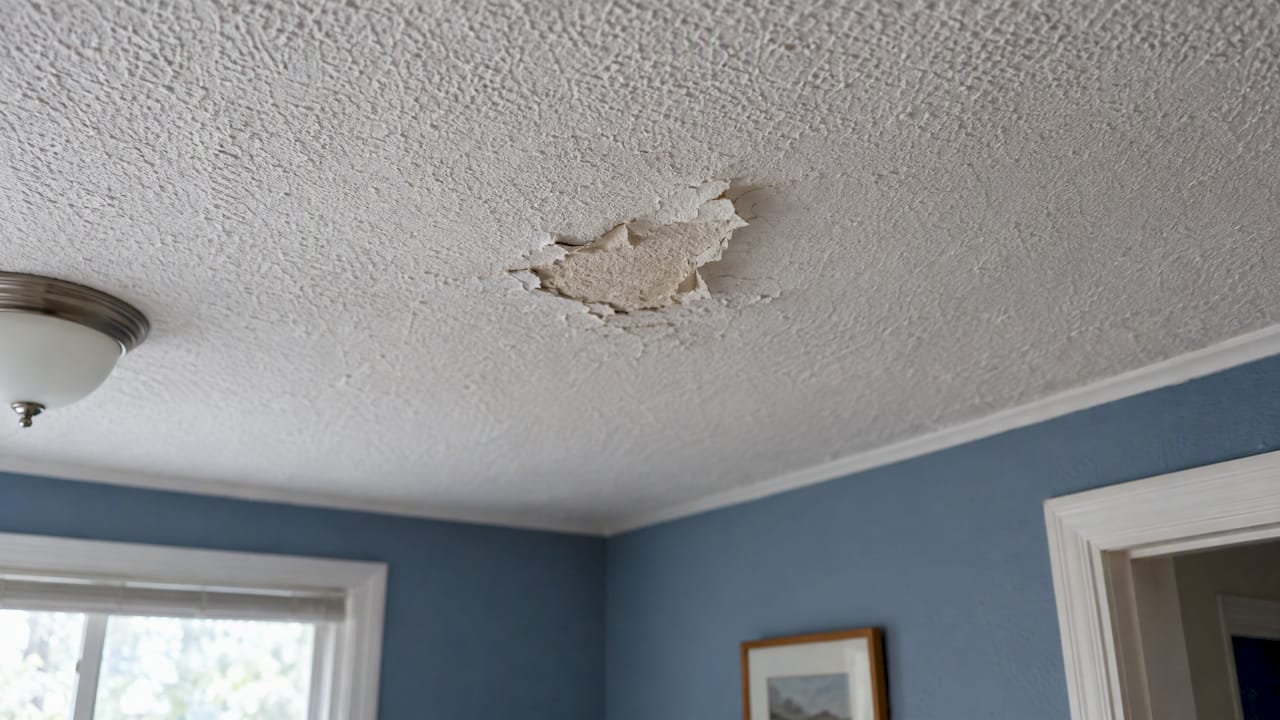
The same caution applies to paint. In homes built before 1978, EPA guidance says contractors who disturb painted surfaces must be certified and use lead-safe practices, and that proper cleanup involves HEPA vacuuming, then wet wiping and mopping, with re-cleaning if dust or debris remains. Routine wiping of intact surfaces is fine. Peeling paint belongs in a maintenance request.
One more rule of thumb: skip DIY patching of nail holes and paint touch-ups unless your lease allows it. Property managers commonly prohibit it because mismatched repairs can lead to a repainting charge.
How to document the inspection
Cleaning only protects you if the result is on record. Both sides benefit from the same routine.
- Walk through together if possible. Use one checklist, ideally modeled on HUD’s form, which records condition by room and item, the cost to correct, and signatures from the manager and resident.
- Photograph every room and every flaw. Take wide shots and close-ups with dates on them. Include appliance interiors and the inside of cabinets.
- Separate wear from damage. Light traffic patterns in carpet and minor paint fading are ordinary aging. Burns, large holes, broken fixtures and preventable water damage are damage. Note the difference in plain words.
- Record disagreements. HUD’s form lets a resident say they agree or disagree with an inspection and list what they dispute. Use that space.
- Keep copies. Email yourself the photos and the signed form. You will want them at move-out, possibly years from now.
That record is the baseline for the new term. It is the single most effective thing a renewal inspection does.
Our perspective
We have cleaned homes and rentals around Vancouver, WA and Portland, OR since 2006, and the pattern we see is consistent: disputes rarely start with dirt. They start with uncertainty. Nobody wrote down what the unit looked like, so nobody agrees on what changed.
That is why we think a renewal inspection is worth treating seriously. Clean the way an inspector will look, in the same room order, and you remove most of the guesswork. A kitchen that is clean inside the oven, the fridge seals and the cabinets tells a very different story from one that is clean only on the counters.
It is also why we send the same dedicated, background-checked team to a home on every visit. A team that knows your unit notices the small changes: a new water stain under a sink, a fan that has gone quiet, grout that is darkening. Those are exactly the things a renewal inspection exists to catch, and they are far easier to deal with in week one than at move-out.
For landlords with several units, a recurring schedule between inspections keeps each property close to inspection-ready all year. For tenants, one well-done deep clean before the walk-through often does more than weeks of piecemeal effort.
Steven
When it makes sense to hire a professional
Plenty of tenants handle a renewal inspection with a free Saturday and a good supply of microfiber cloths. A hired team makes sense when:
- The unit has not had a deep clean in a long time, and the oven, grout and window tracks need real work.
- You are a landlord with several units and your inspections cluster in the same weeks.
- You are an older homeowner-landlord or a busy professional and the work does not fit your schedule.
- Your lease asks for professional carpet cleaning or similar documentation.
If you are unsure how much work the unit needs, our guide to what deep cleaning includes and our comparison of a deep clean versus a regular clean will help you decide. Carpet is its own question: see carpet cleaning’s role in the move-out process.
For a renewal inspection that is a few weeks away, our one-time deep cleaning is designed to reset a unit before the walk-through. Octomaids is family-owned and locally operated, and our teams are background-checked, trained and insured. We publish no flat prices, because the price depends on the size and condition of the home, so we quote each job.
If you manage rentals in Clark County or the Portland metro area, see our full list of cleaning services, including recurring cleaning that keeps a unit inspection-ready between visits, or start with recurring home cleaning.
Turnover cleaning for landlords: the next step
Sometimes a renewal inspection reveals that a tenant is not renewing. From that point, the turnover process begins, and the goal changes from documenting condition to restoring the unit so it is safe and ready for a new renter.
A solid turnover checklist covers the same rooms as above, then adds the extras: touch-up paint, an HVAC check, yard upkeep and a full deep clean after vacancy, according to one property manager’s move-in and move-out guidance. Our move in/out cleaning service is built for this stage. For Portland-specific expectations on dirt versus damage, read our Portland move out cleaning guide.
If you also run short-term rentals, the checklist is different again. Our short term rental cleaning checklist covers guest-ready turns.
A simple two-week plan before the inspection
Whether you rent or own, a short schedule keeps the work calm.
- Two weeks out: Read the lease cleaning clauses. List repairs to report. Order any required carpet service.
- One week out: Deep clean the kitchen and bathrooms, since they take the longest. Clean inside appliances.
- Three days out: Do windows, tracks, blinds, baseboards and fixtures. Test alarms.
- The day before: Vacuum and mop, take photos of every room, empty trash, and open windows to air the space.
- The day of: Be there if you can, bring your checklist, and sign only what matches what you saw.
For keeping a home presentable between visits without a marathon, how to maintain a clean home between visits has habits that work.
FAQ
Do I have to hire a professional cleaner for a lease renewal inspection?
Not unless your lease says so. Your lease defines the cleaning rules, and USAGov recommends reading it closely. Many tenants do the work themselves. A professional makes sense when time is short or the unit needs a deep clean.
What do landlords look for during a renewal walk-through?
They check the general condition of walls, floors, fixtures, appliances and heating and cooling, and whether the unit has been kept clean and sanitary. They also look for maintenance issues such as leaks, broken locks or failed smoke alarms.
Can I be charged for normal wear and tear?
Ordinary aging, such as light carpet traffic patterns or minor paint fading, is generally treated differently from damage such as burns, large holes or broken fixtures. Rules on charges vary by state and lease, so check your lease and your state’s tenant guidance. Photos and a signed checklist make any dispute easier.
What is the difference between renewal cleaning and turnover cleaning?
Renewal cleaning prepares an occupied unit for inspection and documents its condition. Turnover cleaning happens after a tenant leaves and restores the unit for the next renter, usually with a full deep clean and repairs.
What should I do if I find a problem while cleaning?
Report it in writing and photograph it. Leaks, failing alarms and damaged appliances are usually the landlord’s responsibility to repair. Do not disturb suspect materials in older buildings, such as flaking paint or crumbling insulation.
Sources
- HUD Sample Move-In/Move-Out Inspection Form
- USAGov: Tenant rights
- EPA: Occupant Notification in Buildings Containing Asbestos
- EPA: Lead-Safe Certified Guide to Renovate Right
- Move-Out Cleaning Checklist (FPM)
- Lease Renewal Property Assessment (POPProbe)
- Rental Inspection Checklist by Room
- Multifamily Turn Cleaning Standards
- North County Move-In and Move-Out Checklists
Recommended
- Move Out Cleaning Room by Room Guide for Renters
- High-Traffic Rental Areas to Deep Clean: A Room-by-Room Guide
- Rent Ready in 3–5 Days: Landlord Cleaning Checklist Between Tenants
- Move Out Cleaning Checklist for Renters: Get Your Deposit Back
About Octomaids
Octomaids is a locally operated professional cleaning company serving Vancouver, Clark County, and the surrounding Portland metro area. Since 2006, our cleaning teams have helped homeowners, renters, property managers, and businesses with recurring cleaning, deep cleaning, move-in/move-out cleaning, and commercial cleaning.
Our cleaning articles are reviewed to ensure the information reflects our real-world experience and professional cleaning practices.