
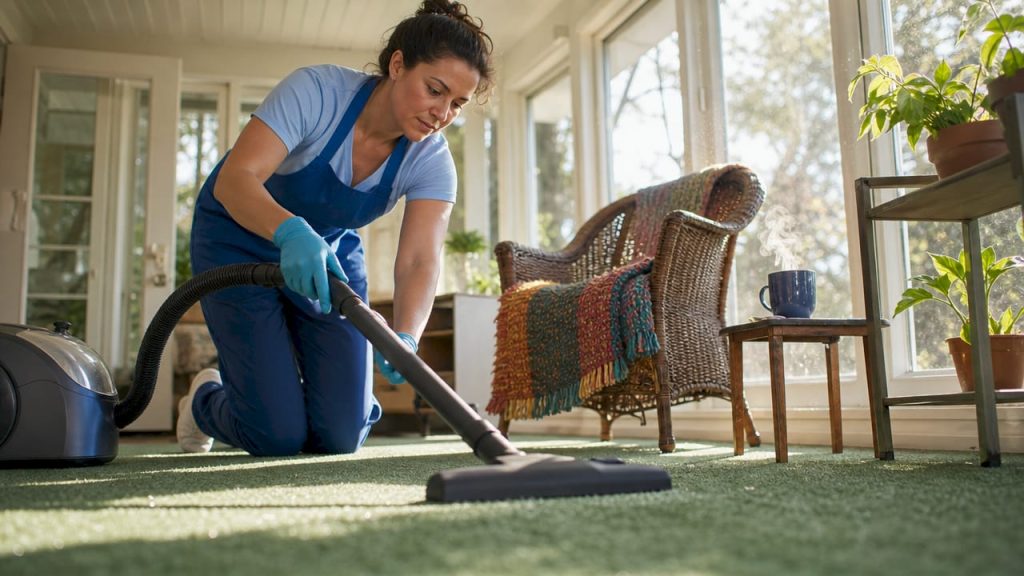


Professional cleaning is the most effective method for reducing the invisible pollutants, allergens, and pathogens that standard household cleaning routinely misses. The EPA reports that indoor air is 2 to 5 times more polluted than outdoor air, a fact that surprises most homeowners who assume a weekly wipe-down is sufficient. Professional cleaning, known in the industry as systematic deep sanitation, targets the microscopic threats embedded in carpets, upholstery, vents, and baseboards. The result is a measurable improvement in both physical health and mental well-being that goes far beyond surface aesthetics.
Why professional cleaning creates a healthier home environment
The core reason why professional cleaning produces a healthier home comes down to equipment and protocol. Standard household vacuums often exhaust fine particles back into the air rather than trapping them, which can actually worsen respiratory conditions. Professional services use HEPA-filtered vacuums that capture 99.97% of particles as small as 0.3 microns. To put that in perspective, a single human hair measures roughly 70 microns in diameter, meaning HEPA systems remove particles nearly 233 times smaller than what you can see.
The allergen cycle and where it hides
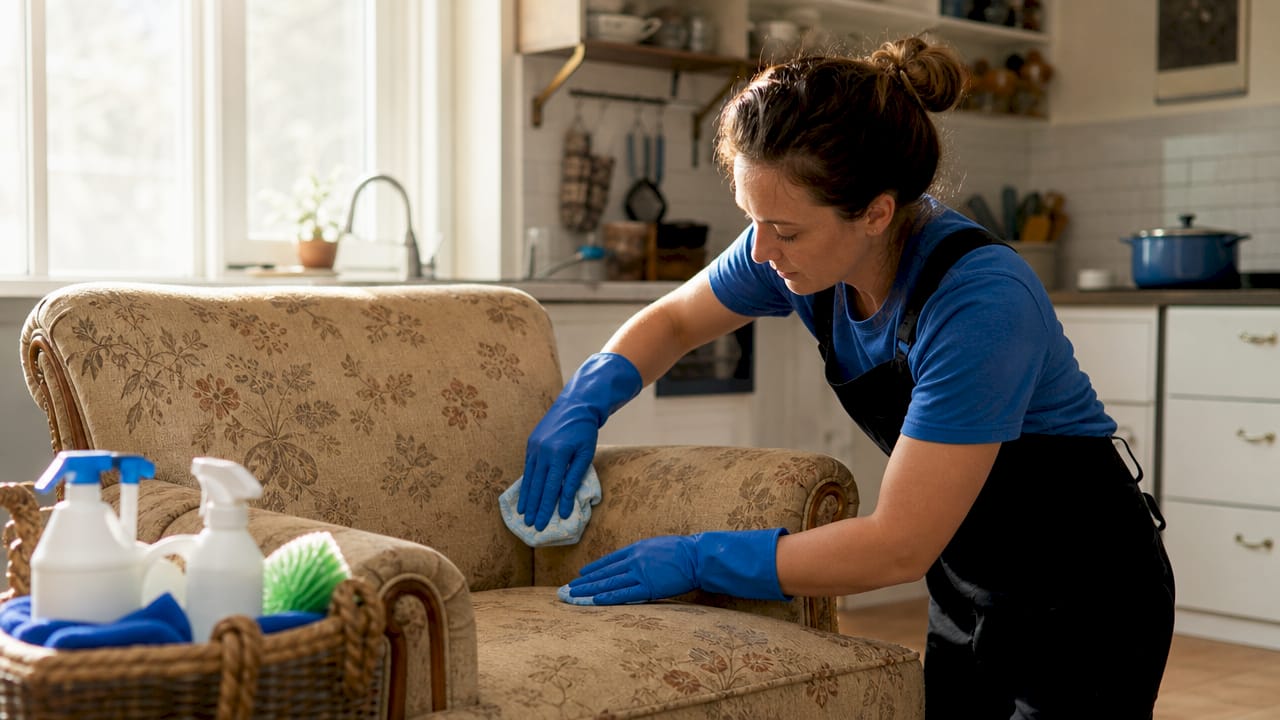
Dust mites, pet dander, pollen, and mold spores do not settle uniformly across a home. They concentrate in fiber-rich environments: carpet pile, sofa cushions, mattress seams, and curtain folds. These are also the spots most homeowners skip during a routine clean. Professional teams are trained to target allergen reservoirs in baseboards, ceiling fans, and HVAC vents, disrupting the cycle that keeps allergens recirculating through your air supply. Research shows that allergen levels drop by up to 90% with high-efficiency vacuum systems applied consistently.
How VOCs factor into indoor air quality
Volatile organic compounds, or VOCs, are gases released by furniture, paint, adhesives, and some cleaning products themselves. They accumulate indoors and contribute to headaches, eye irritation, and long-term respiratory stress. Professional cleaning services that use EPA-registered, biodegradable disinfectants remove surface residues without adding new chemical loads to your air. This distinction matters: the wrong cleaning product can trade one pollutant for another.
| Pollutant | Common source | Professional method |
|---|---|---|
| Dust mites | Carpets, mattresses, upholstery | HEPA vacuuming, steam treatment |
| Pet dander | Furniture, air ducts | High-efficiency extraction, vent cleaning |
| Mold spores | Bathrooms, basements, grout | Targeted antifungal agents, scrubbing |
| VOCs | Paint, adhesives, synthetic fabrics | Eco-friendly product substitution |
| Bacteria | High-touch surfaces, kitchens | Disinfectants with proper dwell times |
Pro Tip: Ask your cleaning service whether their vacuums carry a HEPA certification, not just a HEPA-style filter. The distinction is meaningful. Certified HEPA filters meet a tested standard; “HEPA-style” is a marketing label with no regulated performance threshold.
Does a cleaner home actually improve mental health?
The connection between a clean home and mental well-being is grounded in environmental psychology, not wishful thinking. Visual clutter increases cortisol, the body’s primary stress hormone, and creates what researchers describe as subconscious visual noise. Your brain continuously processes unfinished tasks and disordered environments in the background, consuming cognitive resources even when you are not consciously aware of it. A professionally cleaned home removes that background noise.
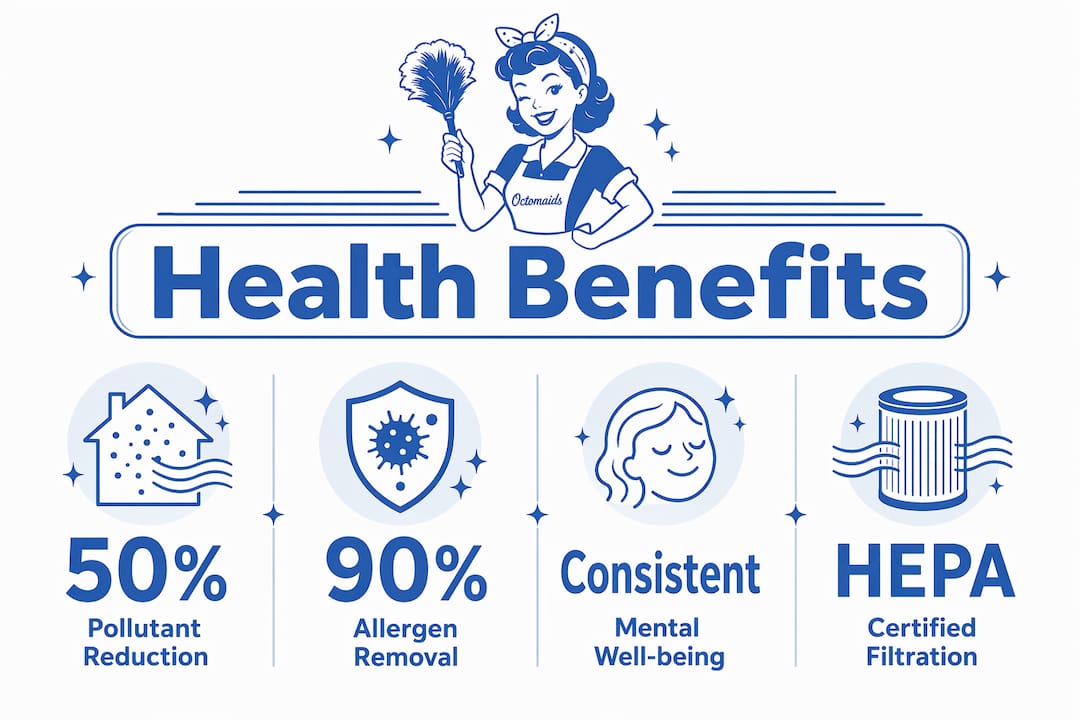
The mental health benefits of consistent professional cleaning accumulate over time rather than arriving all at once. Most people notice the shift after several weeks of scheduled service, when the home transitions from a reactive state of tidying to a baseline of order. That shift reduces anxiety, improves focus, and creates the conditions for genuine relaxation.
Sleep quality is one of the clearest beneficiaries. Dust-free bedrooms with clean linens and organized surfaces signal safety and calm to the nervous system. Reduced visual clutter from professional cleaning leads to lower anxiety and better sleep, with these changes building cumulatively rather than appearing overnight.
Key mental health benefits linked to a consistently clean home include:
- Lower cortisol levels from reduced visual disorder
- Decreased cognitive overload, freeing mental bandwidth for focus and creativity
- Improved sleep onset and sleep quality in dust-free bedrooms
- Reduced anxiety tied to the perception of an unmanageable home
- Greater sense of control and calm, which supports emotional resilience
“A clean home is not a luxury. It is a regulated environment that your nervous system responds to directly. When clients tell me they feel lighter after a professional clean, that is not imagination. That is cortisol dropping.”
Professional cleaning vs. DIY cleaning: which actually protects your health?
Most homeowners clean with genuine effort and still fall short of what professional protocols achieve. The gap is not about motivation. It is about tools, technique, and knowledge of where pathogens actually live.
| Factor | DIY cleaning | Professional cleaning |
|---|---|---|
| Vacuum filtration | Standard filter, often recirculates fine dust | Certified HEPA, captures 99.97% of particles ≥0.3 microns |
| Disinfection method | Spray and wipe, often without dwell time | Timed application on high-touch surfaces to kill pathogens |
| Allergen targeting | Surface-level, misses embedded fibers | Deep extraction in carpets, upholstery, vents, baseboards |
| Product safety | Variable; many contain harsh VOC-producing chemicals | EPA-registered, biodegradable options that protect air quality |
| Surface knowledge | Trial and error; risk of damage | Evidence-based protocols matched to surface material |
One of the most common DIY errors is applying a disinfectant and wiping it away immediately. Effective pathogen elimination requires a dwell time, meaning the product must remain wet on the surface for a specified period, often 30 seconds to 4 minutes depending on the agent. Professional sanitization practices account for this timing on high-touch surfaces like doorknobs, light switches, and faucet handles. Skipping dwell time means the surface looks clean but is not sanitized.
DIY mistakes with inappropriate cleaning products can also cause irreversible damage to grout, hardwood, and stone surfaces. Professionals rely on evidence-based protocols that preserve both hygiene standards and the physical integrity of your home. Regular professional cleaning also extends the life of furnishings and flooring by preventing abrasive dirt build-up that degrades fibers and finishes over time.
Pro Tip: If you clean between professional visits, use microfiber cloths rather than cotton rags. Microfiber traps particles electrostatically instead of pushing them across surfaces. It is one of the few DIY tools that genuinely approaches professional-grade performance.
How to maintain a healthier home with professional cleaning
Getting the most from professional cleaning services requires a schedule matched to your household’s specific conditions. A home with two dogs, three children, and wall-to-wall carpet has different needs than a one-bedroom apartment with hardwood floors and no pets.
-
Schedule professional cleaning every two to four weeks. Cleaning every 2 to 4 weeks controls dust mites, bacteria, and allergens at a rate that prevents them from re-establishing at harmful levels. Weekly service is appropriate for households with allergy sufferers, young children, or immunocompromised members.
-
Request a deep clean at least twice per year. Seasonal deep cleaning targets areas that routine visits do not address: inside appliances, behind furniture, inside cabinets, and along ceiling edges. Spring and fall are the most effective timing, coinciding with peak allergen seasons.
-
Prioritize eco-friendly product selection. Confirm that your cleaning service uses EPA-registered, biodegradable disinfectants rather than products containing ammonia, chlorine bleach, or synthetic fragrances. These chemicals can irritate lungs and skin, particularly in children and people with asthma.
-
Maintain cleanliness between visits with targeted habits. Wipe high-touch surfaces daily with a damp microfiber cloth. Remove shoes at the door to prevent tracking in outdoor allergens and pollutants. Run bathroom exhaust fans for 20 minutes after showers to reduce mold-promoting humidity. These habits extend the health benefits of each professional visit. You can find more practical guidance on maintaining cleanliness between visits to keep your home at its healthiest between scheduled services.
-
Communicate health priorities to your cleaning team. Tell your cleaners about allergies, asthma triggers, or areas of concern. A professional team adjusts their protocol accordingly, spending more time on allergen-dense zones and using fragrance-free products when needed.
Pro Tip: Place a HEPA air purifier in the bedroom and run it continuously. It works in tandem with professional cleaning by capturing airborne particles between visits. Brands like Coway, Winix, and Blueair offer certified units at accessible price points.
Key takeaways
Professional cleaning reduces indoor pollutants, allergens, and pathogens at a level that DIY methods cannot match, making it the most direct investment a homeowner can make in their family’s physical and mental health.
| Point | Details |
|---|---|
| Indoor air quality | Professional cleaning reduces indoor pollutants by up to 50% and allergens by up to 90%. |
| HEPA filtration | Certified HEPA vacuums capture 99.97% of particles, including dust mites, dander, and mold spores. |
| Mental health impact | Consistent professional cleaning lowers cortisol, reduces cognitive overload, and improves sleep quality. |
| DIY limitations | Standard vacuums and skipped dwell times leave pathogens and allergens largely intact. |
| Optimal frequency | Scheduling professional cleaning every 2 to 4 weeks maintains a safe allergen and pathogen threshold. |
What I’ve learned after years of watching professional cleaning transform homes
I have worked with hundreds of homeowners across Vancouver, WA and Portland, OR, and the pattern I see most consistently is this: people underestimate what they cannot see. They judge cleanliness by what looks tidy, not by what is actually present in the air and fibers of their home. That gap between visible and actual cleanliness is where most health problems originate.
What surprises clients most is the mental shift, not the physical one. They expect to breathe easier. They do not expect to sleep better, feel less anxious, or find it easier to focus at their desk. Those outcomes are real, and they are documented in environmental psychology research. But they only accumulate when cleaning is consistent, not when it is reactive.
The other thing I want homeowners to understand is that not all professional cleaning services are equal. A service that uses industrial-strength chemical disinfectants in a home with asthmatic children is not a health investment. It is a trade-off. The right service asks about your household before they start, uses products matched to your needs, and follows protocols that go beyond making surfaces look clean. When you are evaluating a cleaning service, ask specifically about their vacuum filtration standard, their disinfectant dwell times, and whether they offer fragrance-free options. Those three questions will tell you more than any marketing language on their website.
The homeowners I see benefit most from professional cleaning are not the ones who hire a service once before a dinner party. They are the ones who treat it as a recurring health practice, the same way they treat exercise or a good diet. The results compound. The home stays healthier, the air stays cleaner, and the mental load of managing a household decreases in a way that is genuinely felt week to week.
— Steven
How Octomaids supports a healthier home in Vancouver and Portland
Octomaids has served homeowners and renters across Clark County, WA and the Portland Metro area since 2006, and health-focused cleaning has always been central to how our family-owned team works. We use HEPA-filtered vacuums, EPA-registered cleaning agents, and follow disinfection protocols that go well beyond surface tidying. Whether you need recurring weekly or bi-weekly service, a one-time deep clean, or a move-in/move-out clean, our team brings the same trusted cleaners to your home every visit. Explore our professional cleaning services or review our home cleaning best practices to see exactly how we approach a healthier home environment.
FAQ
How much does professional cleaning improve indoor air quality?
Professional cleaning reduces indoor pollutants by up to 50% and can lower household allergen levels by up to 90% using high-efficiency HEPA vacuum systems. The EPA identifies indoor air as 2 to 5 times more polluted than outdoor air, making systematic professional cleaning one of the most direct ways to address that gap.
How often should I schedule professional cleaning for health benefits?
Scheduling professional cleaning every 2 to 4 weeks maintains a safe threshold for dust mites, bacteria, and allergens. Households with allergy sufferers, young children, or pets benefit most from weekly service.
Are professional cleaning products safe for children and pets?
Professional services that use EPA-registered, biodegradable disinfectants provide effective sanitation without harmful chemical residues that can irritate lungs and skin. Always confirm with your cleaning service that they offer fragrance-free and low-VOC product options if you have sensitive household members.
What does professional cleaning do that DIY cleaning cannot?
Professional cleaning applies certified HEPA filtration, correct disinfectant dwell times on high-touch surfaces, and targeted allergen extraction in carpets, upholstery, and vents. These are the three areas where standard DIY cleaning consistently falls short, leaving pathogens and allergens largely intact despite visible tidiness.
Does a clean home really reduce stress and anxiety?
Environmental psychology research confirms that visual clutter raises cortisol and creates cognitive overload. Consistent professional cleaning removes that subconscious visual noise, with measurable reductions in anxiety and improved sleep quality building over several weeks of regular service.