
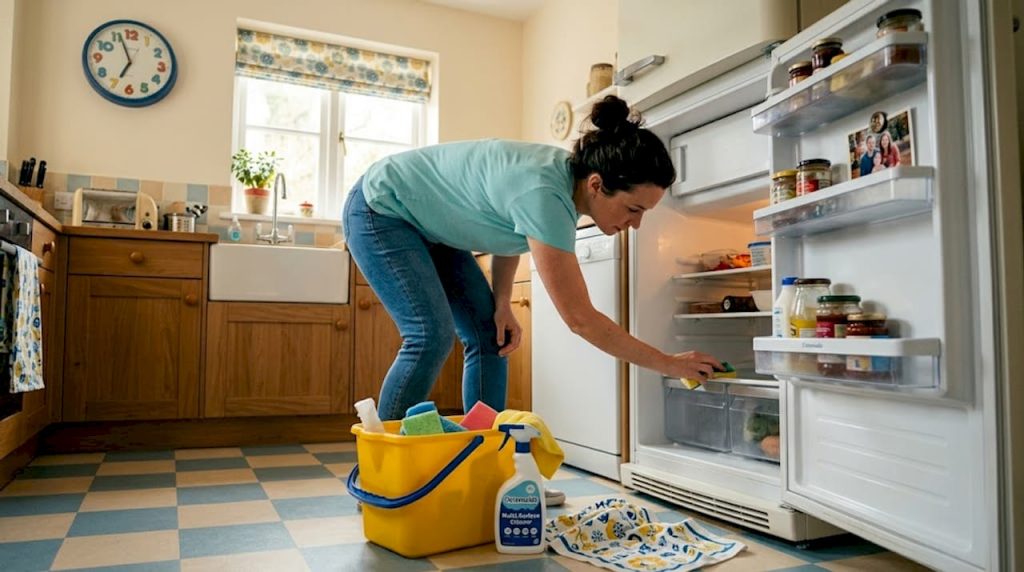
Most people assume deep cleaning is just regular cleaning with more effort. It is not. What does deep cleaning include goes far beyond wiping counters and vacuuming floors. It covers the grout lines, the inside of your oven, the dust packed into window tracks, and the grime collecting behind your refrigerator. Whether you are a homeowner trying to understand what you are paying for or an office manager evaluating deep cleaning services, knowing exactly what is included helps you set expectations, ask the right questions, and get real results.
Table of Contents
- Key takeaways
- What does deep cleaning include for residential homes?
- What does office deep cleaning include?
- Deep cleaning vs. regular cleaning
- What to confirm before booking a deep clean
- How often to schedule deep cleaning
- My honest take on what gets missed most often
- Ready for a real deep clean in Vancouver or Portland?
- FAQ
Key takeaways
| Point | Details |
|---|---|
| Deep cleaning goes beyond surface work | It targets hidden grime in appliances, grout, vents, and behind furniture that regular cleaning misses. |
| Offices need specialized deep cleaning | High-touch surfaces, HVAC vents, and restrooms require focused disinfection protocols beyond standard office tidying. |
| Scope varies by provider | Always confirm whether carpets, mattresses, and AC vents are included before you book a service. |
| Schedule every 3 to 6 months | This frequency prevents bacteria and allergen buildup in both homes and commercial spaces. |
| Preparation improves outcomes | Decluttering and communicating your priorities before a deep clean session helps cleaners work more thoroughly. |
What does deep cleaning include for residential homes?
A home deep clean is a top-to-bottom reset. Deep cleaning targets neglected grime in corners and hidden spots that a standard weekly clean simply does not reach. Think of it less like cleaning and more like a full audit of every surface in your home.
Kitchen
The kitchen is typically the most labor-intensive room. Deep cleaning here means cleaning inside the oven and microwave, wiping down the inside of the refrigerator, degreasing the stovetop and hood vent, and scrubbing tile grout. Cabinets get wiped inside and out. The space behind and under the refrigerator, which collects grease and dust into a surprisingly thick layer, gets pulled out and cleaned.
Bathrooms
What is included in a bathroom deep clean goes well beyond scrubbing the toilet and wiping the mirror. Limescale removal and mold treatment in moisture-prone areas like showers and around the sink faucet are standard parts of the process. Grout lines get scrubbed. The area behind the toilet, the base of the toilet, and the inside of the tank lid all get attention. Exhaust fans, which trap dust and reduce air circulation, get cleaned too. A bathroom refresh clean, by contrast, typically covers only visible surfaces and does not address grout, limescale, or exhaust fans.
Bedrooms and living areas
Baseboards, window tracks, and behind furniture are always part of a thorough deep clean. These are the spots that accumulate dust silently over months. In bedrooms, this means moving furniture to clean underneath, wiping ceiling fan blades, cleaning light fixtures, and often dusting or vacuuming upholstered headboards. Window sills and tracks get scrubbed, not just wiped.
Here is a practical deep cleaning checklist for common home areas:
- Kitchen: Inside oven, microwave, and refrigerator; degrease hood vent; scrub tile grout; wipe inside and outside of cabinets; clean behind and under appliances
- Bathrooms: Scrub grout and limescale; clean exhaust fan; sanitize behind and base of toilet; clean inside tank lid; treat mold in shower caulk
- Bedrooms: Move and clean under furniture; wipe ceiling fan blades; clean light fixtures; vacuum upholstered surfaces; wash baseboards
- Living areas: Clean window tracks and sills; dust blinds and curtain rods; wipe baseboards; vacuum under and behind furniture; clean light switches and outlet covers
- Whole home: Wipe door frames and handles; clean interior windows; dust vents and returns
Pro Tip: Before your cleaning appointment, remove personal items from counters and floors. The less time a cleaner spends moving objects, the more time they spend actually cleaning.
What does office deep cleaning include?
Office deep cleaning covers a different set of priorities than residential work. The focus shifts toward sanitation, shared surfaces, and areas that affect employee health and productivity. Office deep cleaning involves disinfection of high-touch areas, upholstery cleaning, HVAC vent cleaning, and thorough restroom sanitation. These are not optional extras. They are the core of what makes an office genuinely clean rather than just visually tidy.
High-touch and shared surfaces
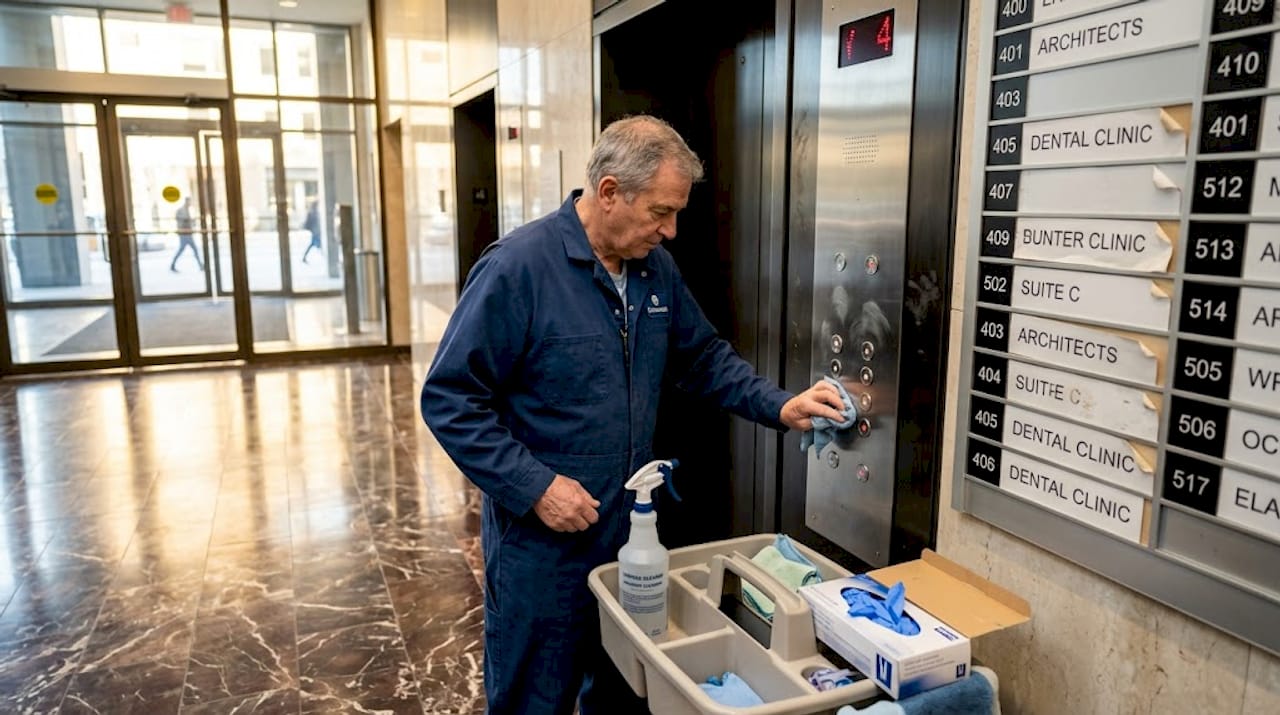
Keyboards, mice, phones, elevator buttons, door handles, and light switches are touched dozens of times daily by multiple people. Professional deep cleaning uses hospital-grade disinfectants to reach bacteria beyond what is visible. These surfaces are a primary vector for illness in shared workspaces and require more than a quick wipe.
Break rooms and conference rooms
Break rooms accumulate food residue inside microwaves, on refrigerator shelves, and around coffee stations. Deep cleaning here means cleaning inside all appliances, sanitizing the sink and drain, wiping cabinet interiors, and degreasing surfaces. Conference rooms get upholstered chair cleaning, detailed dusting of AV equipment, and cleaning of whiteboards and window tracks.
Restrooms and HVAC vents
Office restrooms require the same level of attention as a bathroom deep clean at home, with added focus on high-traffic wear. HVAC vents in offices accumulate dust and circulate allergens throughout the space. Cleaning them is one of the most overlooked parts of what office deep cleaning includes, yet it directly affects air quality and employee comfort.
Common examples of deep cleaning tasks in office spaces:
- Disinfect all high-touch surfaces including phones, keyboards, and door handles
- Clean inside break room appliances and sanitize sinks
- Scrub and disinfect restrooms including grout, fixtures, and dispensers
- Clean HVAC vents and air returns throughout the office
- Vacuum and spot-clean upholstered chairs and cubicle panels
- Wipe down baseboards, window tracks, and sills in all rooms
- Clean glass partitions and interior windows
Pro Tip: Schedule office deep cleaning on a Friday afternoon or over a weekend. Surfaces need time to dry after disinfection, and staff returning Monday will notice the difference immediately.
Deep cleaning vs. regular cleaning
Understanding the difference between deep cleaning and regular cleaning helps you decide what your home or office actually needs right now.
Regular cleaning is maintenance. It keeps a clean space clean. Deep cleaning is restoration. It addresses the buildup that maintenance cleaning never reaches. Deep cleaning typically takes 4 to 8 or more hours and covers areas that a standard visit skips entirely. It also costs more, typically 1.5 to 2 times the price of a regular clean, because of the time, equipment, and detail involved.
| Area or task | Regular cleaning | Deep cleaning |
|---|---|---|
| Counters and visible surfaces | Yes | Yes, plus edges and under objects |
| Inside oven and refrigerator | No | Yes |
| Grout scrubbing | No | Yes |
| Baseboards and window tracks | Occasionally | Always |
| Behind and under furniture | No | Yes |
| HVAC vents | No | Yes |
| Limescale and mold treatment | No | Yes |
| Light fixtures and ceiling fans | No | Yes |
| Inside cabinets and drawers | No | Yes |
| Upholstery cleaning | No | Often included |
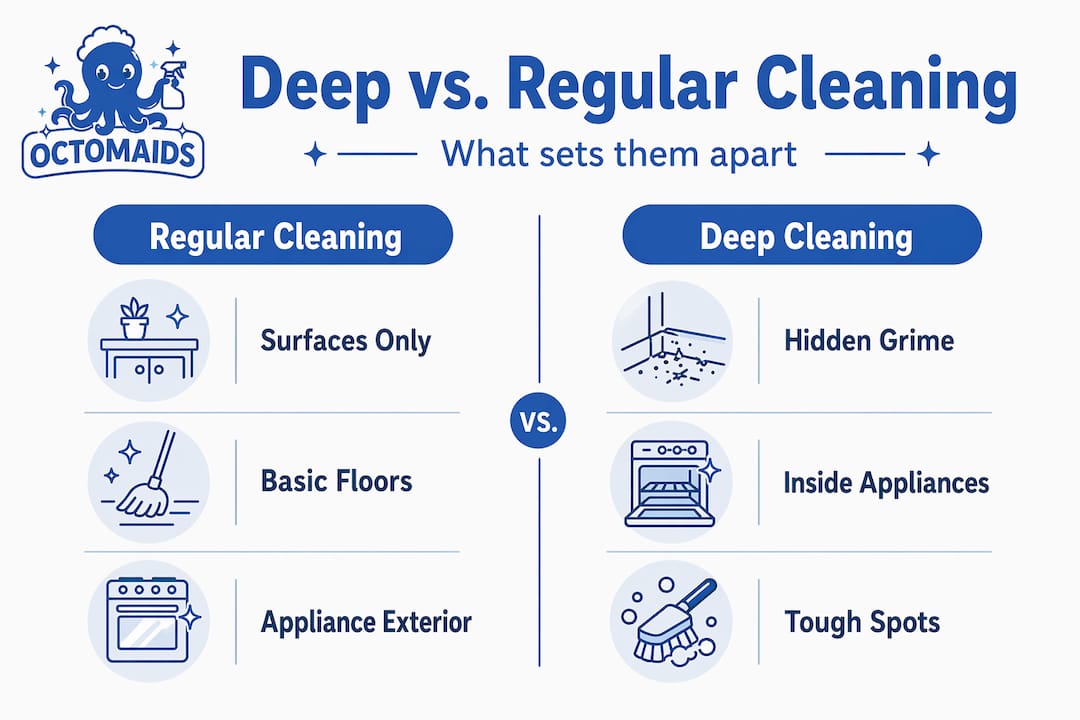
The practical takeaway here is that regular cleaning prevents a space from getting worse. Deep cleaning actually reverses accumulated neglect. Both are necessary, but they serve completely different purposes.
What to confirm before booking a deep clean
Deep cleaning packages are not standardized across providers. What is included in deep cleaning at one company may be an add-on charge at another. This variability is one of the most common sources of frustration for people who book a deep clean expecting one thing and receive something narrower.
Carpet extraction, mattress cleaning, and AC vent cleaning are frequently listed as optional add-ons rather than standard inclusions. These services are critical for improving indoor air quality and thorough cleanliness, so confirming their status before booking protects you from unexpected charges.
Here is a numbered checklist of questions to ask before hiring a deep cleaning service:
- What rooms and surfaces are covered? Get a written list if possible.
- Are inside appliances included? Confirm oven, refrigerator, and microwave specifically.
- Is grout scrubbing part of the service? Some providers treat this as an add-on.
- Are carpets, upholstery, and mattresses included or extra?
- Do you clean HVAC vents and air returns?
- What cleaning products do you use? This matters for households with pets, children, or allergies.
- How long will the cleaning take, and how many cleaners will be sent?
Understanding what professional cleaners notice first when they walk into your home can also help you communicate your priorities more clearly before the appointment starts.
Pro Tip: Ask the provider to send their deep cleaning checklist in writing before you confirm the booking. A reputable company will have one readily available and will not hesitate to share it.
How often to schedule deep cleaning
Scheduling deep cleaning every 3 to 6 months maintains a hygienic environment and prevents the buildup of bacteria and allergens. The right frequency for your situation depends on a few factors: how many people live or work in the space, whether pets are present, and whether anyone has allergies or respiratory sensitivities.
Signs that your home or office is overdue for a deep clean:
- Grout lines have visibly darkened or discolored
- A musty or stale smell persists even after regular cleaning
- Dust reappears on surfaces within a day or two of wiping
- Allergy symptoms worsen indoors
- The space has not had a deep clean in over six months
Between professional deep cleans, you can protect your results by wiping down baseboards monthly, cleaning inside the microwave weekly, and running an exhaust fan during and after showers to slow mold growth. Setting up a recurring cleaning schedule between deep clean appointments keeps the maintenance layer consistent so the next deep clean does not have to work as hard.
My honest take on what gets missed most often
I have seen a lot of homes and offices after a so-called deep clean, and the two areas that get skipped most consistently are carpets and HVAC vents. People see clean floors and assume the job is done. But carpets hold bacteria, allergens, and odors at a level that vacuuming alone cannot address. Steam extraction is a different process entirely, and most standard deep clean packages do not include it unless you ask.
HVAC vents are even more invisible. They sit up on the ceiling or down near the floor, and nobody looks at them. But they are recirculating whatever has accumulated inside them every time the system runs. I have walked into freshly cleaned offices where the vents were visibly clogged with dust. The air quality in that space was worse than it appeared.
The other thing I see people underestimate is how much preparation matters. A cleaner who spends 20 minutes moving clutter before they can start is a cleaner who has 20 fewer minutes to actually clean. Decluttering before your appointment is not just courtesy. It directly affects the quality of the result you get.
My advice: treat deep cleaning as a partnership. Know what is on the checklist, communicate what matters most to you, and prepare the space so the professionals can focus entirely on the work.
— Steven
Ready for a real deep clean in Vancouver or Portland?
Octomaids has been serving homeowners and businesses throughout Clark County, WA and the Portland Metro area since 2006. Our family-owned team knows exactly what a thorough deep clean looks like, because we have been doing this work for nearly two decades.
Whether you need a one-time deep clean to reset your home after a renovation, a detailed office cleaning, or a move-in or move-out service before a transition, our team brings the same trusted cleaners every visit. We cover all the areas on this page, and we are transparent about what is included before we arrive. Explore our full range of residential and commercial cleaning services or reach out to schedule your appointment today.
FAQ
What does a standard deep cleaning include?
A standard deep cleaning includes inside appliances, grout scrubbing, baseboards, window tracks, light fixtures, behind and under furniture, and detailed bathroom and kitchen sanitation. It covers areas that regular maintenance cleaning does not reach.
How long does a home deep clean take?
Deep cleaning typically takes 4 to 8 or more hours depending on the size of the home and its current condition. Larger homes or spaces that have not been deep cleaned recently will take closer to the higher end of that range.
What is included in a bathroom deep clean?
A bathroom deep clean includes grout scrubbing, limescale removal, mold treatment in caulk and tile, cleaning behind and at the base of the toilet, exhaust fan cleaning, and sanitizing all fixtures. It goes well beyond what a standard bathroom refresh clean covers.
How often should you schedule a deep cleaning?
Most homes and offices benefit from a deep clean every 3 to 6 months. Households with pets, children, or allergy sufferers may need it closer to every 3 months to keep bacteria and allergen levels in check.
Are carpets and HVAC vents always included in deep cleaning?
Not always. Carpet extraction and HVAC vent cleaning are frequently listed as add-on services rather than standard inclusions. Always confirm these items with your provider before booking to avoid unexpected charges.

