



What are the clearest signs you need a house cleaner?
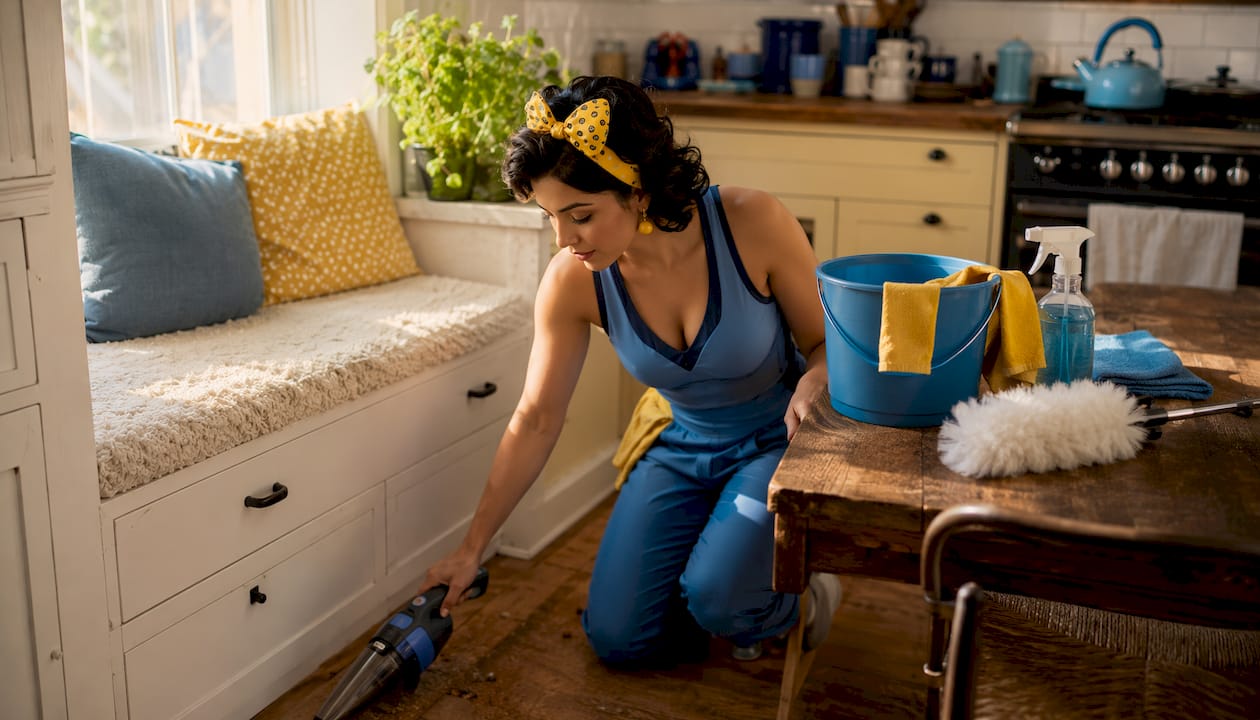
If you’re spending significant time each week on cleaning and still feel behind, that’s not a discipline problem. That’s a signal. The signs you need a house cleaner are often practical and measurable: persistent odors, worsening allergies, clutter that never fully clears, or a home you’ve stopped inviting people into.
Here are the most reliable indicators, drawn from real cleaning experience:
- Your weekends disappear into housework and you still feel behind
- Dust returns faster than you can address it
- Allergy or asthma symptoms are getting worse indoors
- You’re avoiding having guests over
- Certain rooms haven’t been properly cleaned in months
- Your schedule has changed and cleaning has fallen off the list
- Cleaning has become a source of stress or household conflict
- You’re moving in or out of a home
- You have pets or young children at home
- An elderly or disabled household member needs a cleaner environment
- Lingering odors won’t go away despite regular cleaning
- You’re preparing for a major event or renovation
How these signs show up in daily life matters. You re-wear clothes because laundry has piled up. You stress-clean the night before company arrives and still feel it isn’t enough. You notice the bathroom grout has darkened but can’t find the time or energy to address it. Each of these is a real indicator, not an excuse.
Industry cleaning professionals recommend a periodic deep clean every few months to reset the home’s cleanliness baseline. Skipping those cycles allows grease, mold spores, and dust mites to accumulate in hard-to-reach areas, creating sanitation challenges that routine cleaning simply cannot undo.

Table of Contents
- Why professional cleaning matters beyond visible dirt
- Other common reasons to hire a professional cleaner
- Key Takeaways
- The sign most people miss until it’s too late
- Octomaids brings consistent, trusted cleaning to your home
- FAQ
Why professional cleaning matters beyond visible dirt
A home can look tidy and still harbor dust and bacteria on overlooked surfaces. That gap between looking clean and being clean is where most health problems originate. Dust mites nest in upholstery and mattresses. Grease collects behind the stove. Mold spores settle into bathroom caulk. None of these are visible at a glance, but all of them affect the air you breathe every day.
The health implications are real and specific:
- Dust mites and pet dander accumulate in carpets and upholstered furniture, triggering respiratory irritation even in people without diagnosed allergies
- Mold spores in damp bathroom grout or under-sink areas can worsen asthma and cause persistent congestion
- Cooking grease residue on kitchen surfaces contributes to background odors and bacterial growth
- Vent buildup recirculates contaminated air throughout the home, making surface cleaning largely ineffective
There’s also a behavioral sign worth recognizing. When you’re cleaning more often but the home still doesn’t feel cleaner, the issue isn’t your effort. The underlying buildup has shifted the baseline downward, and surface cleaning is now maintaining a lower standard than you’re aiming for. A professional deep clean resets that foundation.
Pro Tip: Crouch down to eye level with any baseboard in your home. A visible layer of dust or grime along the top edge is one of the most reliable physical indicators that your home has crossed the deep-clean threshold.
Floors tell a similar story. Dust and debris that settle into hardwood or tile over time affect both appearance and longevity. Understanding why dust impacts floors helps explain why professional cleaning protects more than just surfaces.
Other common reasons to hire a professional cleaner
Beyond the obvious signs, several lifestyle factors push a home past what regular upkeep can handle.
Large or complicated home layouts create cleaning blind spots. Multi-story homes, open floor plans with high ceilings, and rooms with heavy furniture all have areas that go months without real attention. The 80/20 principle in cleaning reflects this well: high-traffic surfaces deliver most of the visible cleanliness with relatively little effort, but the detailed areas, baseboards, grout lines, ceiling fans, require disproportionate time and technique to address properly.
Frequent hosting raises the standard. Before a holiday dinner or birthday gathering, a quick tidy-up won’t cover streak-free windows, sanitized bathrooms, and a kitchen that’s genuinely hygienic rather than just visually presentable. Guests notice what you’ve stopped seeing.
Pets and young children accelerate contamination. Homes with pets and young children accumulate pet dander, tracked-in dirt, food spills, and bacteria faster than homes without these factors. Professional cleaning targets the areas where these contaminants concentrate most: under furniture, in carpet fibers, and around food preparation areas.
Moving in or out is one of the clearest practical triggers. Moving requires thorough professional cleaning whether you’re starting fresh in a new home or protecting a rental deposit on the way out. A move-in or move-out cleaning service handles the areas most landlords and buyers inspect closely.
Shifting schedules are often the tipping point. A new job, a newborn, a family member recovering from illness or injury, any of these can eliminate the hours you previously relied on for cleaning. When personal days get spent catching up on chores instead of resting, that’s a sign the balance has broken down. The connection between outsourcing cleaning and work-life balance is well documented among busy households.
Emotional and mental health round out the picture. The relief that comes from handing off cleaning responsibilities is consistently underestimated. A clean home reduces background stress, improves focus, and removes a persistent source of household tension. That’s not a luxury argument. It’s a practical one.
Key Takeaways
Professional cleaning addresses what routine upkeep cannot: the hidden buildup that shifts your home’s cleanliness baseline and creates real health risks over time.
| Point | Details |
|---|---|
| Time is the clearest signal | Spending more than 4 hours a week cleaning while still feeling behind is a reliable indicator that professional help is needed. |
| Deep cleans reset the baseline | A professional deep clean every 3–6 months prevents hidden buildup from making regular cleaning ineffective. |
| Hidden contaminants drive health issues | Dust mites, mold spores, and grease accumulate in areas routine cleaning never reaches, affecting air quality and respiratory health. |
| Lifestyle changes are valid triggers | Moving, hosting, pets, young children, and shifting schedules all legitimately increase the need for professional cleaning. |
| Octomaids serves both homes and businesses | Octomaids has provided recurring, deep clean, and move-in/move-out services in Vancouver, WA and Portland, OR since 2006. |
The sign most people miss until it’s too late
Here’s what I’ve observed after years in this industry: most people wait for a breaking point before calling a professional cleaner. The home has to feel genuinely out of control before they give themselves permission to ask for help. That delay is understandable, but it costs more in the long run, both in cleaning effort and in the slow accumulation of health risks that build quietly in the background.
The more useful frame is proactive rather than reactive. Recognizing early signs, a faint staleness that persists after cleaning, baseboards you haven’t touched in months, allergy symptoms that worsen only indoors, and acting on them before they compound is what separates a home that stays manageable from one that requires a major intervention. Professional cleaning isn’t a replacement for regular upkeep. It’s the reset that makes regular upkeep work again.
The role of cleaning in home maintenance extends beyond hygiene. It protects surfaces, extends the life of flooring and fixtures, and keeps small problems from becoming expensive ones. Treating professional cleaning as part of a maintenance schedule rather than a last resort changes how you think about it entirely.
Octomaids brings consistent, trusted cleaning to your home
If several of these signs sound familiar, the practical next step is straightforward. Octomaids has served homeowners and businesses across Vancouver, WA and the Portland Metro area since 2006, offering recurring cleaning, one-time deep cleans, and move-in/move-out services handled by the same trusted team every visit. That consistency matters: you’re not explaining your home’s quirks to a different crew each time.
Whether you need a full reset after months of falling behind, a thorough clean before a major event, or a regular schedule that keeps your home at a baseline you’re actually happy with, Octomaids covers the cleaning tasks worth hiring out so you can stop spending your weekends on chores. Get a quote at octomaids.com/services and see what’s available in your area.
FAQ
What are the main signs I need a professional house cleaner?
Spending more than 4 hours a week cleaning while still feeling behind, avoiding guests because the home isn’t ready, and visible buildup in areas you haven’t had time to address are the clearest indicators.
What is the 80/20 rule in house cleaning?
The 80/20 principle means high-traffic surfaces deliver most of the visible cleanliness with relatively little effort, while detailed areas like grout, baseboards, and ceiling fans require the most time and technique for the least visible return.
How often should I schedule a professional deep clean?
Every 3–6 months is the recommended interval for most homes, based on physical checks like baseboard dust, grout discoloration, and cabinet tackiness rather than a fixed calendar date.
What causes someone to stop keeping up with cleaning?
Shifting schedules are the most common cause: a new job, a newborn, illness, or caregiving responsibilities can eliminate the hours previously available for cleaning. The recharge gap describes the point where personal days are spent catching up on chores instead of resting.
Is $50 an hour reasonable for professional house cleaning?
Rates vary by region, home size, and service type. The value calculation matters more than the hourly figure: professional cleaning addresses hidden buildup, protects surfaces, and frees time that most households cannot recover any other way.