


Pet-friendly house cleaning means using non-toxic products, HEPA vacuums, and enzyme treatments instead of pine oil, phenols, or heavy bleach. Weekly HEPA vacuuming and damp microfiber dusting handle daily dander and hair, but embedded odors or urine that has reached carpet padding usually need a professional, like Octomaids, with hot-water extraction. Start today by vacuuming high-traffic areas and washing pet bedding.
TL;DR:
- Regular HEPA vacuuming and microfiber dusting weekly effectively reduce pet dander and hair, but embedded odors require professional hot-water extraction.
- Avoid cleaning products with pine oils, phenols, glycol ethers, ammonia, or heavy bleach, as they pose health risks, especially for cats and reptiles.
- Ongoing maintenance, including washing pet bedding weekly and replacing HVAC filters, helps prevent odor buildup and allergen accumulation.
- Deep cleaning tasks like enzyme treatments and carpet pad assessments are best handled by professionals every few months for persistent stains and odors.
- Confirm cleaning companies use specific pet-safe products, HEPA equipment, and ask about their protocols for caring for birds and reptiles to ensure safety.
Table of Contents
- Top At-Home Routines for Pet-Friendly House Cleaning
- Which Cleaning Ingredients Are Unsafe Around Pets?
- How Do I Remove Pet Stains and Odors Without Harsh Chemicals?
- When Should You Hire a Professional Pet-Safe Cleaning Service?
- Preparing Your Home for a Pet-Safe Cleaning Visit
- How Do You Vet a Pet-Friendly Cleaning Service?
- Octomaids’ Approach to Pet-Friendly Cleaning
- Book a Pet-Friendly Cleaning with Octomaids
- Sources
- FAQ
Top At-Home Routines for Pet-Friendly House Cleaning
Consistency beats intensity when you share a home with an animal that sheds, tracks in mud, or occasionally has an accident. A short list of habits, done on a fixed schedule, will outperform an occasional marathon cleaning session almost every time.
Here’s the maintenance rhythm that actually keeps dander and odor under control:
- Vacuum high-traffic areas and upholstery weekly with a HEPA-filter vacuum, since standard filters recirculate the smallest allergen particles instead of trapping them.
- Dust top-down with a damp microfiber cloth so dander settles onto the cloth instead of floating back into the air you breathe.
- Wash pet bedding weekly in hot water. Bedding holds far more dander per square foot than a couch cushion.
- Launder removable slipcovers monthly, and swap in washable throws anywhere your dog or cat naps regularly.
- Run a HEPA air purifier in bedrooms and living areas, and upgrade HVAC filters to a high-MERV pleated option, replacing them on the schedule printed on the box, not “whenever you remember.”
- Add entryway controls: a boot tray, a rough-texture doormat outside and a softer one inside, and paw wipes by the door to cut down on tracked-in debris before it ever reaches your floors.
If you’re setting this up for the first time, a recurring cleaning schedule built around weekly and biweekly tasks makes it far easier to stay ahead of shedding instead of reacting to it.
Pro Tip: Vacuum in two directions, one pass with the grain of the carpet and one against it. Pet hair wedges into carpet fibers at odd angles, and a single-direction pass leaves more behind than most people realize.
Which Cleaning Ingredients Are Unsafe Around Pets?
Pine oils, phenols, glycol ethers, heavy ammonia, and undiluted bleach are the ingredients to keep off your shopping list in a pet home. Cats lack the liver enzymes to break down phenols efficiently, which makes them especially vulnerable to products many people consider ordinary bathroom cleaners. Birds face an even lower threshold, since their respiratory systems are sensitive enough that fumes alone, not direct contact, can cause harm.
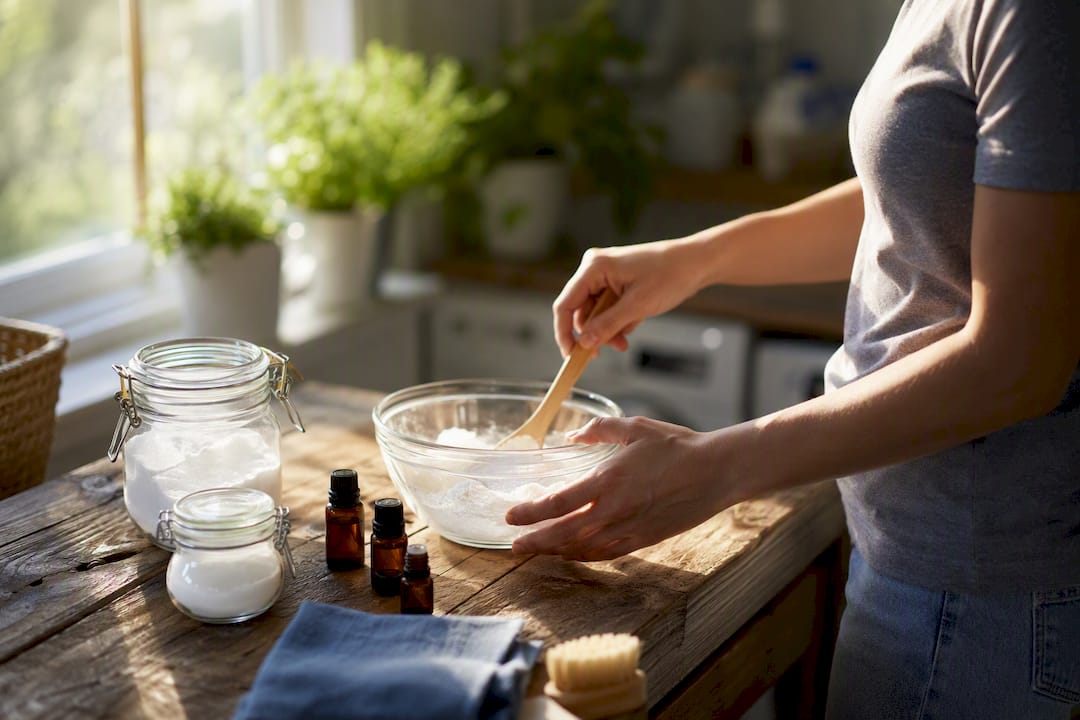
The ASPCA’s poison control guidance specifically names pine oil disinfectants, phenolic cleaners, and concentrated bleach as common sources of pet poisoning incidents, and recommends calling animal poison control immediately after any suspected exposure.
Safer swaps exist for nearly every cleaning task:
- Hydrogen peroxide-based disinfectants in place of phenolic or bleach-heavy formulas.
- EPA Safer Choice–certified products, which meet stricter chemical-safety criteria than standard retail cleaners.
- Diluted, well-ventilated applications with time to dry fully before pets are allowed back into the room, per EPA green-cleaning guidance.
If you keep birds or reptiles, be more cautious still. Ask any cleaner, professional or otherwise, to name the exact products they plan to use in your home rather than accepting “pet-safe” as a marketing label.
How Do I Remove Pet Stains and Odors Without Harsh Chemicals?
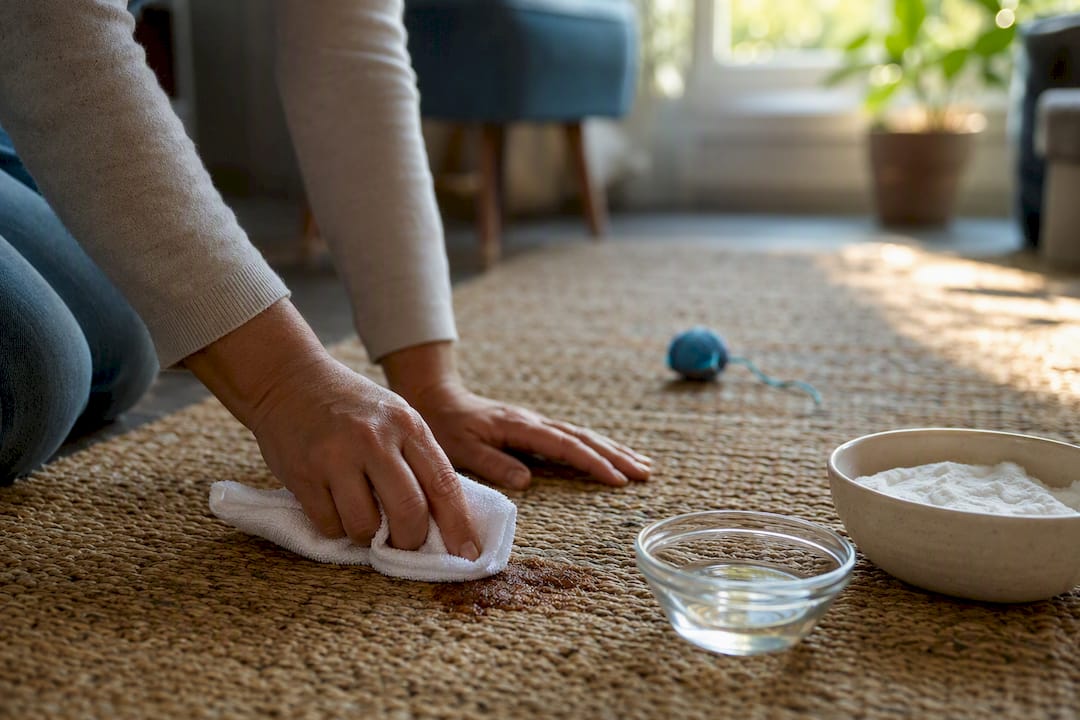
Fresh accidents respond well to a straightforward sequence, but older or repeated stains often need more than a spray bottle.
- Blot immediately. Press with paper towels or a clean cloth to pull up as much liquid as possible before it spreads or soaks deeper.
- Apply an enzyme cleaner and let it sit. Enzymes break down the uric acid crystals that cause lingering odor, but they need real dwell time, often 10 to 15 minutes, not a quick wipe.
- Follow with hot-water extraction on carpet or upholstery to flush out what surface treatment alone can’t reach.
- Repeat if odor persists. A smell that returns after treatment often means it reached the carpet pad or subfloor, which usually calls for a professional assessment.
Oily coat residue and general “pet smell” respond to baking soda applications, enzyme sprays, and frequent laundering of throws and slipcovers. For hair embedded deep in upholstery weave, a rubber squeegee or upholstery vacuum attachment lifts far more than a standard hose nozzle, though professional hot-water extraction is usually what’s needed once odor or hair has worked into the padding itself.
Pro Tip: Skip the ammonia-based “pet odor eliminators” on some store shelves. Ammonia smells vaguely like urine to a cat, which can encourage repeat marking in the same spot.
When Should You Hire a Professional Pet-Safe Cleaning Service?
DIY routines handle daily upkeep well, but certain jobs are worth handing off. Deep upholstery extraction, enzyme treatments for embedded odor, and carpet pad assessments require equipment most households don’t own and won’t want to buy for occasional use.
A rough frequency guide for pet households looks like this:
- Weekly professional visits: heavy-shedding breeds, multiple pets, or a household member with allergies.
- Biweekly visits: the most common cadence for multi-pet homes without severe allergy concerns.
- Full deep clean 2 to 4 times a year: carpet and upholstery extraction, baseboard and vent cleaning, and a deeper pass on areas pets frequent.
Cost varies with the job. A pet-focused cleaning cost guide notes that enzyme pre-treatments, heavy soiling, furniture moving, and pad replacement all push the price above a standard cleaning quote. Removing dander reservoirs on a recurring schedule is less about tidiness and more about cutting down what allergy sufferers in the house actually breathe.
Preparing Your Home for a Pet-Safe Cleaning Visit
A little prep work protects your pets and helps the crew work faster. Share details up front rather than leaving the cleaner to guess.
- Tell the company your pets’ species, ages, temperament, and any product sensitivities before the visit, not at the door.
- Flag rooms or items to avoid entirely, like a fish tank or a reactive dog’s crate area.
- Confine anxious pets to a quiet room, and walk high-energy dogs beforehand so they’re calmer during the visit.
- Keep birds and reptiles in a sealed room away from any cleaning fumes, even non-toxic ones, since their respiratory tolerance is much lower than a dog’s or cat’s.
- Secure exits, label any enclosures clearly, and leave your contact information along with microchip or ID details in case a pet slips out unexpectedly.
A home-prep checklist built specifically around pets removes most of this guesswork before the crew even arrives.
How Do You Vet a Pet-Friendly Cleaning Service?
“Pet-friendly” on a company’s website means little without specifics. Ask direct questions before booking, and expect direct answers.
- Request the product list. A reputable company will name exact products and provide a prohibited-ingredient list, ruling out pine oils, phenols, glycol ethers, and heavy ammonia.
- Confirm equipment. Ask whether crews use HEPA-filter vacuums and whether enzyme treatments are available for odor or stain issues.
- Ask about their written protocol. A real pet-safety policy covers how staff handle birds, reptiles, or a reactive dog, not just cats and calm dogs.
- Check their intake process. A company that doesn’t ask about your pets’ behavior before the first visit likely doesn’t have a real plan for them.
Pro Tip: If a company can’t name a single product they use when you ask directly, treat that as a hard red flag, not an oversight. Other warning signs include reliance on aerosol sprays around birds, no HEPA equipment on the truck, and zero intake questions about your animals.
Octomaids’ Approach to Pet-Friendly Cleaning
Octomaids has served homes across Vancouver, WA and the Portland metro area since 2006, and pet-friendly requests have shaped how our teams operate for years, not months. Every visit sends the same trusted cleaners to your door, which matters more than it might sound. A crew that already knows your dog barks at strangers but calms down after five minutes handles the visit differently than a stranger walking in cold.
Our protocol skips pine oil and phenolic products entirely, runs HEPA-filter vacuums as standard equipment, and starts every new client relationship with an intake conversation about pet behavior, sensitivities, and off-limits zones. Enzyme treatments are available when odor or staining calls for it. If your household has specific needs, ask about a tailored plan when you request a quote.
— Steven
Book a Pet-Friendly Cleaning with Octomaids
If you’ve read this far, you already know what a real pet-safe cleaning service should offer: named products, HEPA equipment, and a crew that actually asks about your animals before showing up. That’s the standard Octomaids builds every visit around, and it’s why homes with dogs, cats, birds, and everything in between across Vancouver, WA and Portland, OR keep the same trusted team on a recurring schedule instead of rotating strangers.
For ongoing shedding and dander control, recurring weekly or biweekly service keeps allergens from building up between visits. If you’re dealing with embedded pet odor, heavy soiling, or a seasonal reset, a deep clean tackles what routine maintenance can’t reach. Landlords and hosts managing pet-friendly rentals can also lean on our move-out or short-term rental turnover cleaning between tenants or guests. Whichever fits your household, check our full service list and request a quote to get a plan built around your pets, not a generic checklist.
Sources
- Green Cleaning: Non-toxic cleaning recipes for your home
- Poisonous household products — ASPCA Animal Poison Control
- Safer Choice Media Kit | US
- CDC Home care guidance for people with pets (household cleaning and disinfection recommendations)
FAQ
What’s the best way to clean my house when I have pets?
Combine weekly HEPA vacuuming and microfiber dusting with enzyme treatments for stains, and schedule a professional deep clean two to four times a year for embedded dander and odor that daily upkeep can’t fully remove.
Is $50 an hour a fair price for house cleaning?
Standard hourly rates for house cleaning commonly fall in that range, but pet households often see higher totals once enzyme pre-treatments, heavy soiling, or furniture moving get added to the job.
How do I make my house smell good without harming pets?
Skip air fresheners with phenols or heavy fragrance chemicals and instead use baking soda, enzyme odor treatments, and good ventilation, following the CDC’s guidance on letting cleaned surfaces dry fully before pets return.
What household cleaners are safe to use around pets?
Hydrogen peroxide-based disinfectants and EPA Safer Choice–certified products are generally safer choices, while pine oil, phenolic cleaners, glycol ethers, and undiluted bleach should be avoided entirely.
When does pet odor require a professional instead of DIY treatment?
If odor returns after enzyme treatment and vacuuming, it has likely reached the carpet pad or subfloor, and that level of contamination generally requires professional hot-water extraction to fully resolve.
Recommended
- Home Cleaning Best Practices for a Spotless Home
- Cleaning Priorities for Small Urban Homes That Work
- Why Professional Cleaning Creates a Healthier Home
- How to Prepare Your Home for a Cleaning Service
About Octomaids
Octomaids is a locally operated professional cleaning company serving Vancouver, Clark County, and the surrounding Portland metro area. Since 2006, our cleaning teams have helped homeowners, renters, property managers, and businesses with recurring cleaning, deep cleaning, move-in/move-out cleaning, and commercial cleaning.
Our cleaning articles are reviewed to ensure the information reflects our real-world experience and professional cleaning practices.