



Deep cleaning a vacant home is defined as a systematic, top-to-bottom sanitation and restoration process that targets every surface, hidden cavity, and mechanical system in the property before new occupants arrive. This goes far beyond routine housekeeping. The examples of deep clean for vacant homes covered in this guide address the specific challenges property managers and homeowners face: accumulated dust, mold-prone zones, appliance interiors, HVAC systems, and odor sources that build up during vacancy. Tools like HEPA filter vacuums, microfiber cloths, enzyme-based degreasers, and commercial-grade disinfectants are the standard equipment for this level of work. The industry term for this scope is restoration cleaning, and understanding it changes how you plan and execute the entire process.
What constitutes a thorough deep clean for vacant homes?
A thorough vacant home deep clean goes well beyond wiping counters and mopping floors. Deep cleaning vacant homes includes HVAC systems, mold-prone spots, and pest activity zones that standard cleaning never touches. That distinction matters because these are the areas that cause the most expensive problems after move-in.
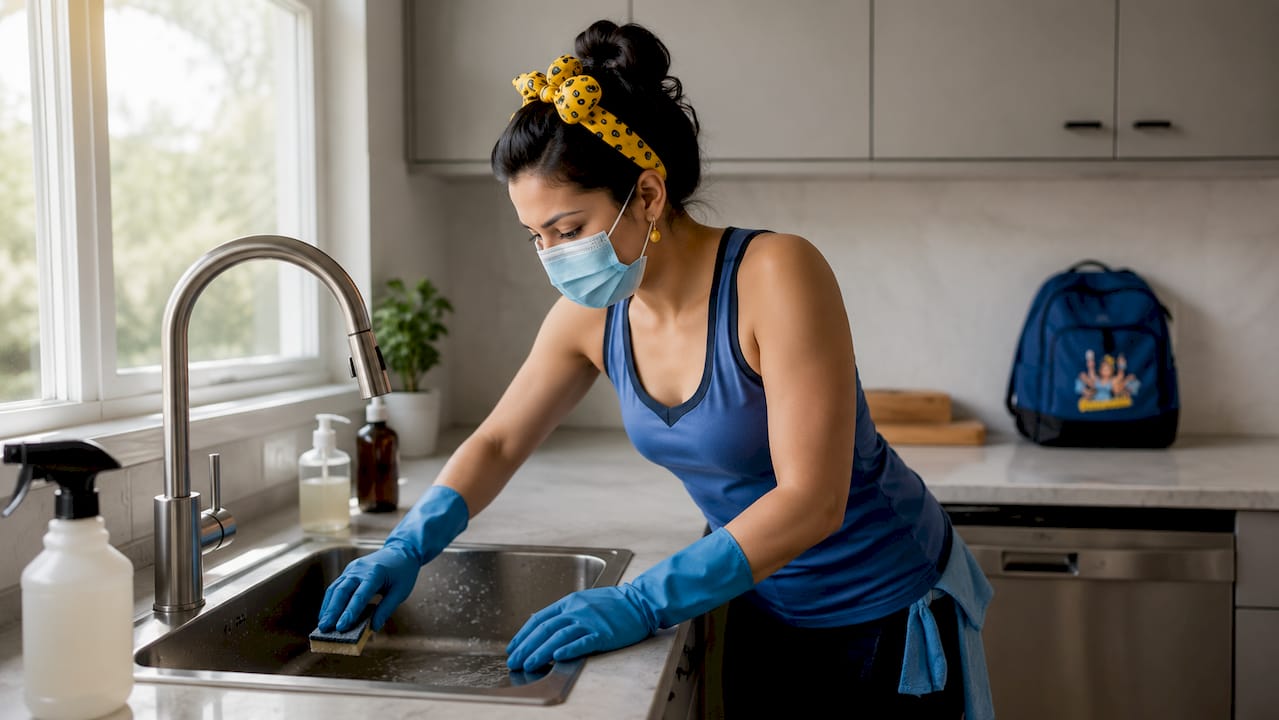
The most effective method follows a top-to-bottom, back-to-front sequence. You start at the ceiling and work down, moving from the back of each room toward the exit. This prevents dust and debris from falling onto already-cleaned surfaces, saving significant rework time.
Key areas that define a true deep clean in a vacant property include:
- Ceiling fans and light fixtures: Dust accumulates heavily when a home sits empty. Wipe fan blades with a damp microfiber cloth and clean fixture covers thoroughly.
- HVAC vents and returns: Remove vent covers and wash them. Vacuum inside the duct openings to clear dust buildup before new occupants breathe that air.
- Inside cabinets and drawers: Previous occupants leave grease, crumbs, and residue. Wipe all interior surfaces with an all-purpose cleaner, then line shelves if needed.
- Window tracks and sills: These collect grit, dead insects, and mold. Use a stiff brush and a vacuum crevice tool before wiping with a disinfectant.
- Baseboards and door frames: Dust settles on horizontal surfaces during vacancy. Wipe with a damp cloth, paying attention to corners where buildup concentrates.
- Mold-prone zones: Bathrooms, under sinks, and basement corners need inspection and treatment. Address any visible mold before cleaning over it.
Pro Tip: Do a walk-through inspection before you start cleaning. A pre-clean assessment helps you identify problem areas like stains, mold, or pest evidence so you can gather the right products and avoid delays mid-job.
Kitchens and bathrooms contain up to three times more germs than other living areas. That concentration makes them the highest priority in any vacant property cleaning plan.
Room-by-room deep cleaning tasks for vacant properties
The most practical way to execute a vacant home deep clean is to work through each area with a defined task list. Here is a breakdown of specific move out deep cleaning examples by room.
Kitchen
- Degrease the range hood and filter. Soak the filter in hot water with dish soap or a degreaser. Wipe the hood interior and exterior with a degreasing spray.
- Clean the oven interior. Apply oven cleaner and let it sit for the manufacturer’s recommended time. Scrub racks separately in the sink.
- Clean refrigerator coils. Pull the refrigerator away from the wall and vacuum the coils at the back or underneath. Dirty coils reduce efficiency and harbor dust.
- Wipe cabinet interiors and exteriors. Cleaning hidden spaces like appliance interiors and cabinet interiors is what separates a deep clean from a routine wipe-down.
- Descale the faucet and sink. Use a white vinegar solution or a commercial descaler on mineral deposits around the faucet base and drain.
Bathrooms
- Scrub tiles and grout. Apply a grout brush with a baking soda paste or commercial grout cleaner. Grout holds mold spores that survive regular cleaning.
- Descale the showerhead. Soak it in white vinegar for 30 minutes to dissolve mineral buildup that restricts water flow.
- Disinfect the toilet completely. Clean under the rim, the tank exterior, the base, and the floor around it. These areas are consistently missed.
- Treat caulk lines. Inspect caulk around the tub and shower for mold. Treat with a bleach-based cleaner or replace caulk if the mold has penetrated the surface.
Living spaces and bedrooms
- Dust and wipe blinds. Use a microfiber blind duster or a damp cloth on each slat. Blinds collect an outsized amount of dust in vacant homes.
- Wash baseboards throughout. A damp microfiber cloth removes the gray film that builds up on baseboards during vacancy.
- Vacuum all vents. Use a crevice attachment on every floor and wall vent before replacing covers.
Floors
- Vacuum carpets with a HEPA filter vacuum. Standard vacuums recirculate fine particles. A HEPA filter vacuum captures allergens and dust mites that settle into carpet fibers during vacancy.
- Mop or buff hardwood floors. Use a pH-neutral hardwood cleaner. Avoid excess water, which warps wood over time.
Pro Tip: For stubborn carpet stains in a vacant home, apply an enzyme-based stain remover and let it sit for 10–15 minutes before blotting. Enzymes break down organic material that standard carpet cleaners leave behind.
| Area | Key task | Product/tool |
|---|---|---|
| Kitchen | Degrease range hood filter | Commercial degreaser, hot water soak |
| Bathroom | Descale showerhead | White vinegar, 30-minute soak |
| Living spaces | Dust blinds and baseboards | Microfiber blind duster, damp cloth |
| Floors | Vacuum with HEPA filter | HEPA filter vacuum |
| HVAC vents | Remove, wash, and vacuum inside | Crevice tool, all-purpose cleaner |
How timing and vacancy maintenance affect the deep clean
Scheduling deep cleaning after repairs but before furnishing gives you full access to every wall, floor, and corner. Once furniture arrives, you lose that access permanently. This single scheduling decision determines how thorough your clean can actually be.
Cleaning an empty house is up to 40% faster than cleaning a furnished one. That time savings is not trivial. For property managers turning over multiple units, it translates directly into reduced labor costs and faster occupancy timelines.
The risks of skipping or delaying vacancy maintenance are severe. Neglecting a vacant property for six months can generate $15,000–$50,000 in remediation costs and reduce property value by 10–20%. Mold, moisture damage, and pest infestations are the primary drivers of those costs.
Key vacancy maintenance practices to run alongside your deep cleaning checklist:
- Replace HVAC filters before occupancy. HVAC filter replacement and humidity control are the two most effective defenses against mold growth in vacant homes.
- Run a dehumidifier in moisture-prone areas. Basements, bathrooms, and laundry rooms are the first places moisture accumulates when a home sits empty.
- Conduct weekly walk-throughs during extended vacancy. A brief visual check catches water intrusion, pest activity, or HVAC failure before they escalate.
- Check under sinks and around water heaters. Slow leaks go undetected for months in vacant properties and cause significant structural damage.
A vacant home does not stay clean on its own. Moisture, dust, and pests move in the moment occupants move out. Treating vacancy maintenance as an ongoing process rather than a one-time event is the single most cost-effective decision a property manager can make.
DIY vs. professional deep cleaning for vacant homes
The scope of a vacant home deep clean is fundamentally different from weekly maintenance cleaning. Understanding that difference helps you decide where your time and budget are best spent.
| Factor | DIY approach | Professional service |
|---|---|---|
| Equipment | Consumer-grade vacuums, standard mops | HEPA vacuums, commercial steamers, industrial degreasers |
| Time investment | 8–16 hours for average home | 3–6 hours with a trained crew |
| Expertise | General knowledge, risk of missed areas | Trained in restoration cleaning protocols |
| Cost | Low direct cost, high time cost | $200–$500+ depending on home size and condition |
| Consistency | Variable, dependent on individual effort | Standardized checklist and quality control |
DIY cleaning works well for smaller properties in good condition where the vacancy was short. You can follow a room-by-room deep cleaning checklist and achieve solid results with the right products and enough time.
Professional cleaning services bring specialized tools and a restoration focus that most homeowners cannot replicate on their own. This matters most for properties that have been vacant for several months, homes with visible mold or odor issues, or rental units where deposit disputes or tenant satisfaction are at stake.
Pro Tip: When selecting a professional cleaning service for a vacant property, ask specifically about their move-out or vacancy cleaning protocol. A general cleaning company and a restoration-focused team use very different approaches. Confirm they include appliance interiors, HVAC vents, and grout treatment in their scope.
For property managers handling multiple units, the move-out cleaning guide from Octomaids provides a practical framework for setting consistent standards across every turnover.
Key Takeaways
A thorough vacant home deep clean requires a systematic, room-by-room restoration approach that targets hidden areas, HVAC systems, and mold-prone zones before any new occupant arrives.
| Point | Details |
|---|---|
| Restoration focus | Vacant home cleaning targets hidden areas and environmental hazards, not just visible surfaces. |
| Top-to-bottom sequence | Always clean from ceiling to floor, back to front, to prevent re-soiling cleaned areas. |
| Timing matters | Schedule the deep clean after repairs and before furnishing for full access and maximum efficiency. |
| Vacancy maintenance | Replace HVAC filters and control humidity to prevent mold and costly remediation during vacancy. |
| Professional advantage | Professional crews with HEPA vacuums and commercial degreasers complete the job faster and more thoroughly than DIY. |
What I have learned from years of vacant home cleaning
After working with homeowners and property managers across Vancouver, WA and Portland, OR, I have seen the same pattern repeat itself: people underestimate what a vacant home actually needs. They expect a lighter job because the furniture is gone. The reality is the opposite.
An empty home reveals everything. Without furniture covering the floors and walls, every scuff, stain, grout line, and vent cover is exposed. The cleaning scope expands, not contracts. The areas I see missed most often are refrigerator coils, window tracks, the underside of toilet rims, and the interior of HVAC vents. These are not glamorous tasks, but they are the ones that determine whether a property feels truly clean or just visually tidy.
My strongest recommendation is to treat the pre-clean walk-through as non-negotiable. Spend 15 minutes moving through the home with a notepad before you touch a single surface. Identify the mold, the stains, the odor sources. That 15 minutes saves hours of backtracking and prevents the frustration of discovering a major problem after you have already cleaned around it.
Timing the clean correctly is equally important. I have seen property managers rush the deep clean before repairs are finished, then watch contractors track dust and debris through freshly cleaned rooms. Post-repair, pre-furnishing is the only sequence that makes sense. It is also when the mold remediation risks are easiest to address before they become structural problems.
The homes that turn over fastest and generate the fewest complaints are the ones where someone treated the vacancy period as an active maintenance window, not a waiting room.
— Steven
Ready to prepare your vacant property the right way?
Vacant home cleaning is one of the most detail-intensive jobs in property management. Getting it right requires the right tools, a proven process, and enough time to do it thoroughly.
Octomaids has been serving homeowners and property managers in Vancouver, WA and Portland, OR since 2006. Our team specializes in move-in and move-out cleaning and one-time deep cleaning services designed specifically for vacant properties. We bring commercial-grade equipment, a room-by-room restoration protocol, and the same trusted cleaners every visit. Whether you are turning over a rental unit or preparing a home for sale, Octomaids delivers the thorough, consistent clean your property deserves. Explore our full cleaning services to find the right fit for your property.
FAQ
What does a deep clean of a vacant home include?
A vacant home deep clean includes HVAC vent cleaning, appliance interiors, cabinet interiors, grout scrubbing, window tracks, baseboards, and mold treatment in moisture-prone areas. It goes well beyond surface cleaning to address hidden buildup and environmental hazards.
How long does it take to deep clean an empty house?
An empty house is up to 40% faster to clean than a furnished one due to unrestricted access. A professional crew typically completes a standard vacant home deep clean in 3–6 hours, while a DIY effort may take 8–16 hours.
When is the best time to deep clean a vacant property?
The best time is after all repairs are completed but before any furniture is moved in. This sequence gives you full access to every surface and prevents contractors from re-soiling cleaned areas.
How do I prevent mold in a vacant home between cleanings?
Replace HVAC filters, run a dehumidifier in moisture-prone areas, and conduct weekly walk-throughs to catch water intrusion early. Humidity control is the most effective defense against mold growth during vacancy.
Should I hire a professional or clean a vacant home myself?
For short vacancies and smaller properties in good condition, a thorough DIY clean using a structured checklist is practical. For longer vacancies, visible mold, odor issues, or rental turnovers where standards matter, a professional restoration-focused cleaning service delivers more consistent and thorough results.