
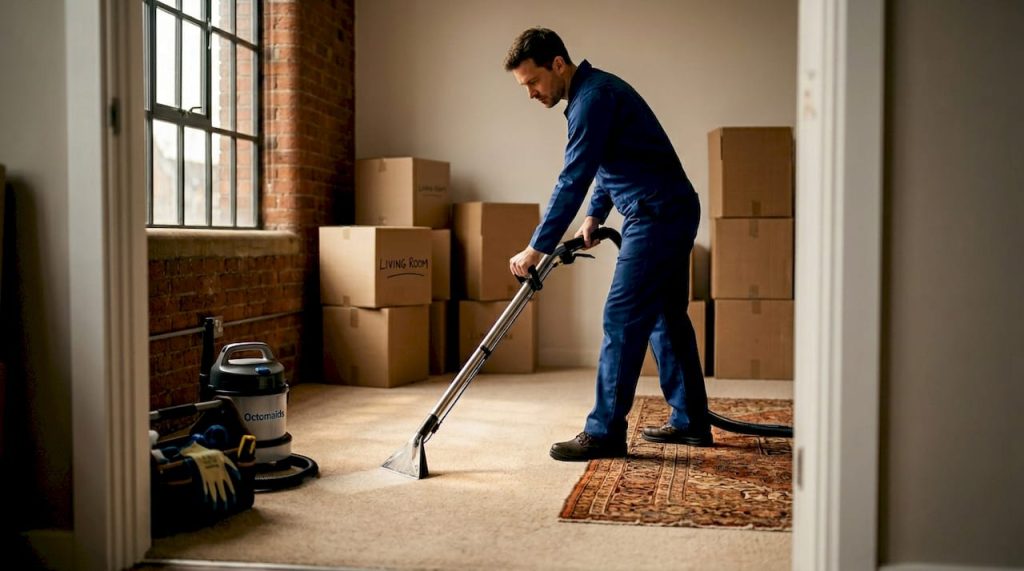


Most people packing up their home assume a quick vacuum and a wipe-down will be enough to get their deposit back. That assumption costs renters hundreds of dollars every year. The role of carpet cleaning in the move-out process goes well beyond making a room look tidy. Landlords and property managers often scrutinize carpets more closely than any other surface during final walkthroughs, and lease agreements frequently spell out exactly what “clean” means in legal terms. Understanding what is actually required, and how professional cleaning fits into that picture, can be the difference between a full deposit refund and a frustrating deduction you never saw coming.
Table of Contents
- Key Takeaways
- What lease agreements actually say about carpet cleaning
- Why professional carpet cleaning beats DIY every time
- Timing and preparation for move-out carpet cleaning
- What happens when carpet cleaning gets skipped
- My honest take on carpet cleaning at move-out
- Let Octomaids handle your move-out carpets
- FAQ
Key Takeaways
| Point | Details |
|---|---|
| Lease terms govern cleaning standards | Many rental agreements require professional cleaning with documented receipts, not just a visible tidy-up. |
| Professional methods outperform DIY | Hot water extraction removes embedded dirt and odors that vacuuming and store-bought machines simply cannot reach. |
| Timing directly affects results | Schedule cleaning 1 to 3 days before the final walkthrough to allow carpets to dry fully before inspection. |
| Documentation protects your deposit | Timestamped before and after photos combined with detailed receipts form your strongest defense against unfair charges. |
| Neglect carries real financial risk | Carpet-related deposit deductions can average $200 or more when tenants fail to meet lease cleanliness standards. |
What lease agreements actually say about carpet cleaning
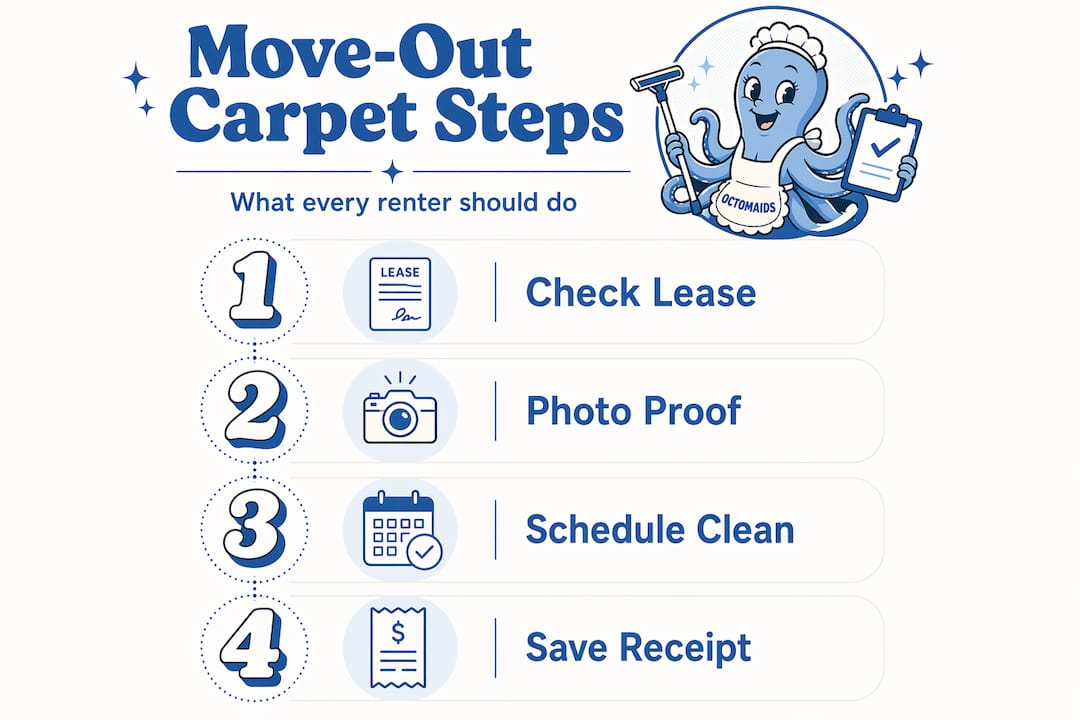
Most tenants read their lease once and move on. That’s where the trouble starts. Many rental agreements include specific language requiring professional carpet cleaning at the end of a tenancy, and some go further by requiring proof. Lease agreements frequently specify that receipts must include the date of service, the cleaning method used, and the name and contact information of the cleaning company. A receipt from a grocery store carpet machine rental almost never satisfies this requirement.
Understanding the difference between “normal wear” and “damage” is also critical here. Normal wear refers to the gradual, expected deterioration of carpet from everyday foot traffic. Damage, on the other hand, covers stains from spills, pet accidents, burns, or ground-in soils that go beyond what ordinary use would cause. Landlords distinguish normal wear from damage by focusing specifically on high-traffic areas like hallways and living rooms, any presence of pet odors, and visible furniture shadowing or permanent marks. Carpets in these areas receive the closest scrutiny.
Here is what landlords commonly look for during a carpet inspection:
- Visible stains from food, beverages, pets, or other sources that have set into the fibers
- Persistent odors, particularly from pets or mildew, which indicate moisture or biological contamination
- Matted or compressed fibers in traffic lanes that suggest heavy soiling rather than normal use
- Discoloration patterns along walls or under furniture that point to accumulated grime
Pro Tip: Take photos of every room’s carpet condition on move-in day and store them with your lease. That move-in documentation is your strongest argument if a landlord later claims damage that already existed.
The strategic value of keeping receipts cannot be overstated. A thorough documentation package that includes timestamped photos and professional cleaning receipts showing method and drying confirmation gives you concrete, dated evidence in the event of any dispute. Think of it as building a paper trail that tells the story of a responsible tenancy.
Why professional carpet cleaning beats DIY every time
There is a meaningful difference between a carpet that looks clean and a carpet that is clean. Regular vacuuming removes loose surface debris, but it does not reach the dirt, dust mites, allergens, and odors that have settled deep into the carpet fibers and the padding beneath them. Vacuuming removes only surface soil and leaves embedded contaminants untouched, which is why it consistently falls short of professional standards at move-out inspections.
Professional steam cleaning, technically known as hot water extraction, works differently. The process begins with a pre-spray application that breaks down soiling and loosens debris from the fibers. A rotating brush agitates the solution to work it deeper into the pile. Then a powerful extraction unit flushes the fibers with hot water and simultaneously vacuums up the water along with the dislodged grime and residues. Steam cleaning flushes and extracts soils that no surface method can touch, which is why it is the standard most landlords and lease agreements recognize.
| Method | What it removes | Depth reached | Odor treatment | Acceptable for most leases |
|---|---|---|---|---|
| Regular vacuuming | Surface debris only | Pile surface | None | No |
| DIY rental machine | Light surface soiling | Shallow fibers | Minimal | Rarely |
| Professional hot water extraction | Embedded dirt, allergens, stains, odors | Deep fibers and padding | Effective | Yes |
The health dimension of this matters more than most renters realize. Carpets trap allergens and dust that can be released back into the air without deep cleaning, affecting the indoor air quality of the next occupant. This is not just a cosmetic concern. Professional cleaning during move-out is also an act of responsibility toward whoever moves in after you.
Pro Tip: Ask your professional cleaner specifically whether they use truck-mounted hot water extraction. Truck-mounted units generate significantly more heat and suction than portable machines, producing better results and faster drying times.
A standard professional move-out carpet service typically includes pre-inspection, pre-treatment of stains, hot water extraction, and a post-cleaning walkthrough. Some providers also offer deodorizing treatments for pet or smoke odors, which can be worth the added cost if those apply to your situation.
Timing and preparation for move-out carpet cleaning
Getting the cleaning done is only part of the equation. When you schedule it matters just as much as the quality of the work itself.
- Vacuum thoroughly before the professionals arrive. Remove as much loose debris, pet hair, and surface dirt as possible. This allows the professional equipment to focus on embedded soils rather than spending time on material that a good vacuum pass would have handled.
- Remove all furniture and personal items from carpeted areas. Professional cleaners should not have to work around boxes, furniture legs, or remaining belongings. Clear rooms allow for complete coverage and faster service.
- Schedule cleaning 1 to 3 days before your final walkthrough. Move-out checklists recommend morning appointments followed by running the AC or fans afterward to accelerate drying. Scheduling too close to inspection day risks presenting damp carpets, which can actually trigger odor concerns and a failed inspection.
- Take before photos immediately prior to cleaning. Date and time stamped images showing the carpet’s condition before the professional arrives give you a complete record of what you started with.
- Run fans, open windows, or run the HVAC after cleaning. Scheduling cleaning too late and skipping ventilation often results in damp carpets at inspection, which creates a new problem from an otherwise good cleaning job.
- Take after photos once carpets are fully dry. This closes the loop on your documentation and gives you visual proof of the finished condition.
One thing worth noting: if your carpets have any areas of concern, like a stubborn pet stain or a high-traffic zone that has been troubling you, tell the cleaning company before they start. Targeted pre-treatment on problem areas before extraction will produce much better results than a standard pass alone.
What happens when carpet cleaning gets skipped
The financial consequences of skipping proper carpet cleaning are specific and well-documented. Deposit deductions for carpet cleaning can average $200 or more when tenants fail to meet lease cleanliness standards. That number climbs quickly if the landlord must arrange emergency cleaning before the next tenant moves in, where they charge at retail prices and add a coordination fee on top.
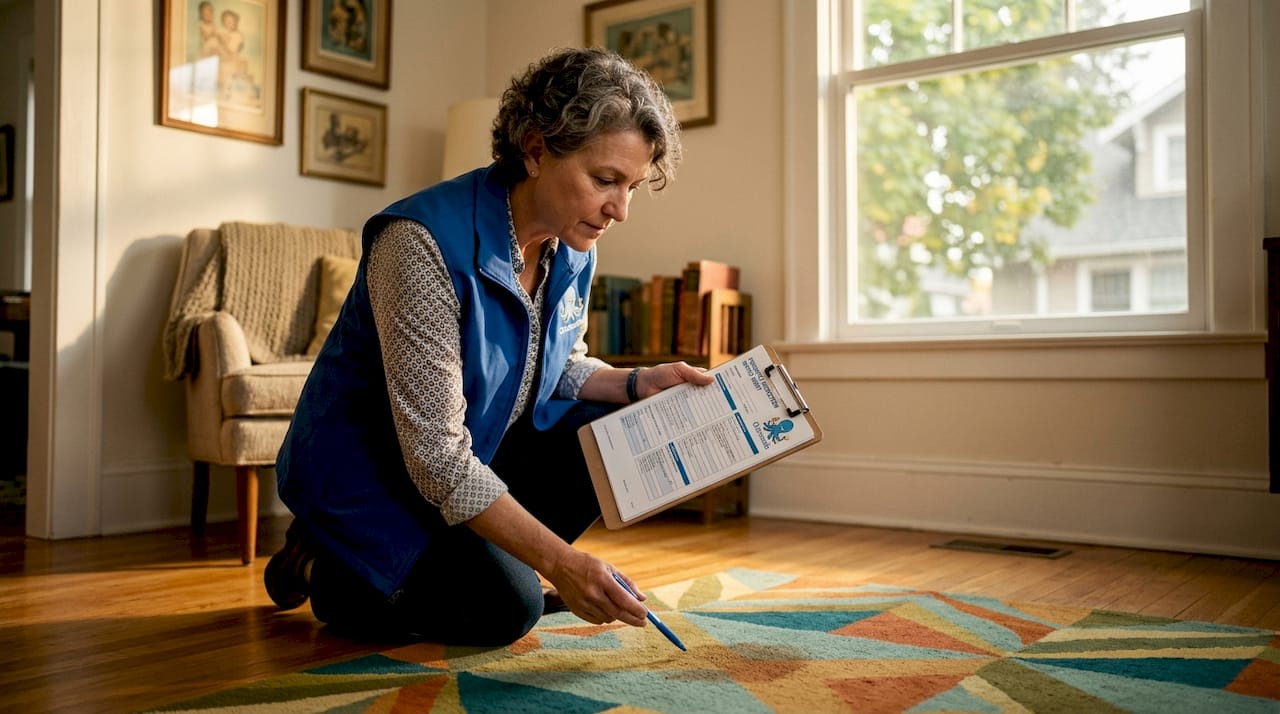
Beyond the direct financial hit, inadequate carpet care invites disputes that drag on for weeks. Landlords are legally permitted to use deposit funds for cleaning that was neglected, and without documentation proving you met the standard, challenging those charges is extremely difficult.
The health angle is equally serious. Carpets that are not deep-cleaned between tenancies can harbor:
- Dust mites and their waste, which are a leading trigger for indoor allergies and asthma
- Pet dander and hair, which remain embedded in fibers long after the pet has left
- Mold spores, particularly in carpets exposed to any moisture or humidity
- Bacteria from tracked-in soil, which can persist in carpet padding even when the surface looks clean
“Lease-required professional carpet cleaning is more about meeting objective move-out standards and providing proof than just making carpets look clean.” This distinction is what separates tenants who get their deposits back from those who don’t.
Consider a common scenario: a tenant vacuums thoroughly, wipes down baseboards, and believes the place looks great. The landlord’s inspector walks in and notices a faint pet odor near the bedroom and a gray traffic pattern in the hallway that cleaning receipts cannot account for. Without professional documentation, the tenant has no defense. The what landlords actually check goes well beyond what the naked eye catches on a casual sweep.
My honest take on carpet cleaning at move-out
I’ve watched the move-out process from enough angles to say this clearly: most people underestimate it. They spend hours scrubbing bathrooms and kitchen appliances, which matters, but then hand the keys back without addressing the surface that a landlord notices most. Carpets carry the visual and olfactory memory of a tenancy. They hold onto everything.
What I’ve learned is that the renters who sail through inspections share two habits. They get professional hot water extraction done with enough lead time for carpets to fully dry, and they document everything with photos. It’s not complicated. But it requires treating carpet cleaning as a non-negotiable step rather than an optional finishing touch.
The other thing I see constantly is people assuming their situation is an exception. “My carpets look fine.” “I only lived here a year.” Fine-looking carpets can still fail a smell test, and lease terms do not make exceptions for short tenancies. The cleaning standard in your agreement applies regardless of how long you lived there or how carefully you think you treated the space.
If you are moving in the Vancouver, WA or Portland, OR area, getting the carpet cleaning process right the first time will save you money, stress, and the aggravation of a deposit dispute you could have avoided entirely.
— Steven
Let Octomaids handle your move-out carpets
Moving is stressful enough without second-guessing whether your carpets will pass inspection. Since 2006, Octomaids has helped renters and homeowners throughout Clark County, WA and the Portland Metro area check every box on their move-out list, including carpets, without the anxiety.
Our move-out cleaning services are built around exactly what landlords inspect, and our team knows what it takes to meet lease cleaning standards in this area. Whether you need a full move-out package or want to add targeted carpet care to a cleaning you are already planning, we make it easy to schedule, document, and complete. Explore all of our cleaning service options and book early to give your carpets the drying time they need before your final walkthrough.
FAQ
Does my lease actually require professional carpet cleaning?
Many lease agreements specifically require professional cleaning with documented receipts that include the date, method, and cleaning company details. Review your lease language carefully before move-out, since a DIY cleaning may not satisfy the written requirement even if the carpets look clean.
How far in advance should I schedule carpet cleaning before moving out?
Schedule professional carpet cleaning 1 to 3 days before your final walkthrough. This gives carpets enough time to dry fully, since damp carpets at inspection can create odor concerns and complicate the process even after a good cleaning.
What is the difference between normal wear and carpet damage?
Normal wear refers to gradual fading or matting from everyday foot traffic, which landlords generally accept. Damage includes stains, pet odors, burns, or heavy soiling that goes beyond what routine use would cause, and these are the conditions that typically trigger deposit deductions.
Can vacuuming alone satisfy move-out carpet requirements?
No. Vacuuming removes surface debris but leaves embedded dirt, allergens, and odors in the fibers untouched. Professional hot water extraction is the recognized standard for end-of-lease carpet cleaning because it reaches and removes what surface methods cannot.
How do I protect myself if a landlord disputes my carpet cleaning?
Build a documentation package that includes timestamped before and after photos, a detailed receipt from your professional cleaning company, and confirmation that carpets were fully dry before the walkthrough. This gives you dated, verifiable evidence to counter any unfair charges.